Animals
Woodland Critters: A Complete Guide to Forest Animals, Habitats, and Fun Facts (2026)

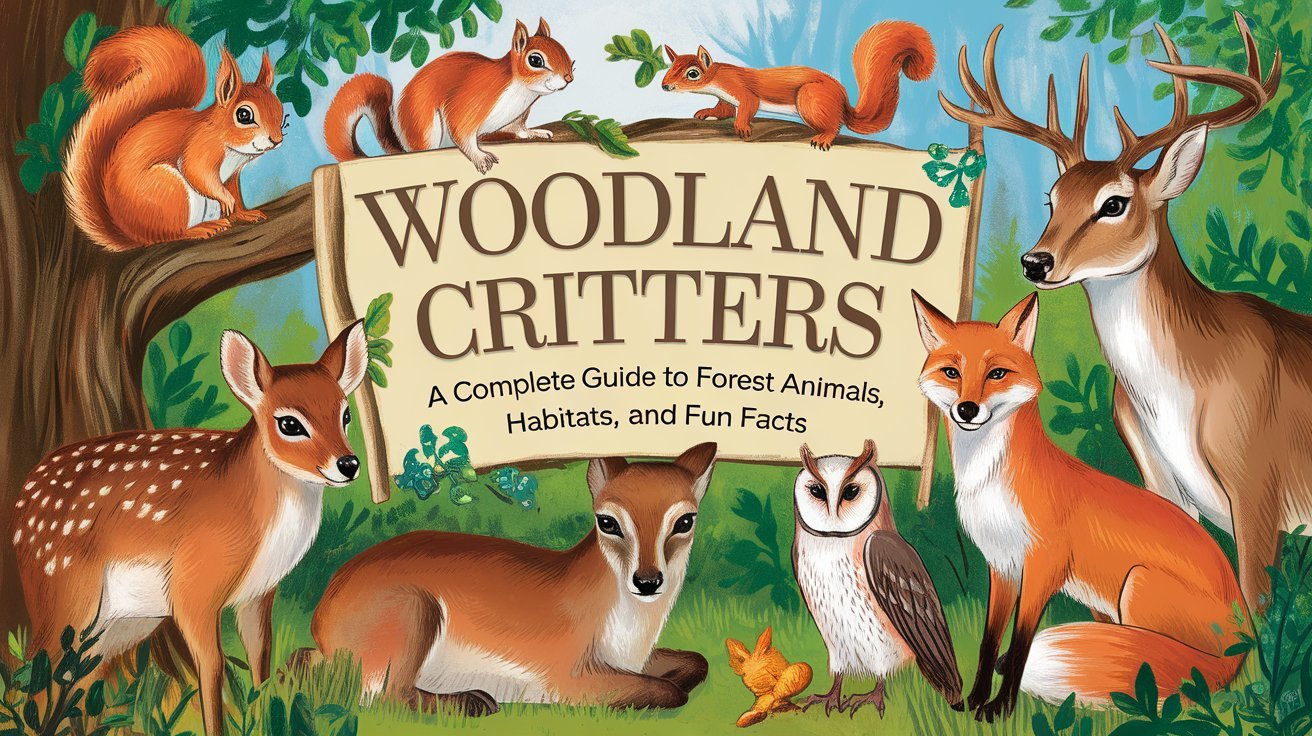
Woodland critters are among the most fascinating animals found in forests around the world. These creatures range from tiny insects and colorful birds to clever foxes, energetic squirrels, gentle deer, and wise owls. Together, they create healthy ecosystems by spreading seeds, controlling insect populations, pollinating flowers, and maintaining the natural balance of forests. Whether you enjoy hiking, wildlife photography, camping, or simply learning about nature, understanding woodland critters offers a deeper appreciation of the incredible biodiversity found in wooded environments.
Forests cover nearly one-third of Earth’s land area, providing homes for thousands of species that have adapted to life beneath towering trees and dense vegetation. Woodland critters thrive in these environments because forests provide shelter, abundant food, fresh water, and protection from predators. Every season brings new behaviors and survival strategies, making woodland wildlife one of nature’s most exciting subjects. This guide explores the different types of woodland critters, where they live, what they eat, how they survive, and why protecting their habitats is essential for future generations.
What Are Woodland Critters?
The term woodland critters refers to animals that primarily live in forests, woodlands, and heavily wooded areas. Although “critter” is an informal word, it commonly describes a wide variety of mammals, birds, reptiles, amphibians, insects, and other small creatures that depend on forest ecosystems.
Woodland critters have evolved unique physical features and behaviors that help them survive in shaded environments filled with trees, shrubs, streams, and leaf-covered ground. Some spend their lives high in tree canopies, while others dig underground burrows or nest inside hollow logs. Every species contributes to the forest ecosystem by participating in food chains, nutrient recycling, and plant reproduction.
Common Types of Woodland Critters
Squirrels
Squirrels are among the most recognizable woodland critters. Their bushy tails help maintain balance while climbing trees, and they are famous for collecting nuts and seeds before winter arrives. Many forgotten seeds eventually grow into new trees, making squirrels important contributors to forest regeneration.
Foxes
Foxes are intelligent predators known for their adaptability. They hunt rodents, rabbits, insects, berries, and even fruits depending on seasonal availability. Their sharp hearing allows them to locate prey hidden beneath snow or leaves.
Deer
Deer are graceful herbivores commonly found in woodland habitats. They browse on leaves, grasses, shrubs, acorns, and young tree shoots. Deer also serve as prey for larger predators, helping maintain ecological balance.
Rabbits
Woodland rabbits rely on dense vegetation for protection from predators. Their powerful hind legs allow them to escape quickly while their excellent hearing detects danger long before predators approach.
Owls
Owls are nighttime hunters with exceptional vision and nearly silent flight. They control rodent populations and are among the most important predators in forest ecosystems.
Raccoons
Raccoons are highly adaptable omnivores recognized by their distinctive facial markings. Their dexterous front paws enable them to open containers, manipulate objects, and search for food in streams and forest floors.
Hedgehogs (Where Native)
Hedgehogs feed primarily on insects, worms, and other small invertebrates. Their protective spines discourage predators and provide excellent defense when threatened.
Woodland Birds
Forests are home to hundreds of bird species, including:
- Woodpeckers
- Blue Jays
- Cardinals
- Chickadees
- Robins
- Hawks
- Eagles
- Owls
- Wrens
Birds spread seeds, pollinate plants, consume insects, and help forests remain healthy through their feeding habits.
Small Woodland Creatures
Many woodland critters are small but play enormous ecological roles.
These include:
- Chipmunks
- Mice
- Voles
- Salamanders
- Frogs
- Beetles
- Butterflies
- Ants
- Bees
- Earthworms
- Snails
- Spiders
Although often overlooked, these tiny creatures contribute significantly to soil health, pollination, decomposition, and nutrient cycling.
Woodland Critter Habitats
Woodland critters occupy diverse habitats depending on their species and survival needs.
These habitats include mature forests, mixed woodlands, pine forests, deciduous forests, fallen logs, caves, burrows, wetlands, streams, and dense undergrowth. Different forest layers—including the canopy, understory, shrub layer, and forest floor—provide unique living spaces for various animals.
Seasonal changes influence habitat use. During winter, many species seek shelter in tree cavities, underground dens, or thick vegetation to conserve energy and avoid harsh weather.
What Do Woodland Critters Eat?
Forest animals display diverse diets based on their adaptations.
Herbivores consume grasses, leaves, berries, fruits, bark, mushrooms, seeds, and acorns.
Carnivores hunt rodents, rabbits, birds, reptiles, amphibians, and insects.
Omnivores enjoy a combination of plant materials and animal prey, allowing them to adapt to changing food availability throughout the year.
Seasonal abundance strongly influences feeding behavior. Many animals store food before winter, while others migrate or hibernate when resources become scarce.
Amazing Survival Adaptations
Woodland critters possess extraordinary survival mechanisms.
Camouflage enables animals to blend seamlessly into bark, leaves, and forest floors.
Hibernation allows certain mammals to conserve energy during harsh winters.
Migration helps birds travel thousands of miles to warmer regions.
Sharp hearing, excellent vision, keen sense of smell, climbing abilities, burrowing behavior, thick winter coats, and food caching are all remarkable adaptations that increase survival chances.
Why Woodland Critters Matter
Healthy forests depend on thriving wildlife populations.
Woodland critters disperse seeds that grow into new trees, pollinate flowering plants, recycle nutrients by breaking down organic matter, regulate insect populations, and support food webs involving countless other organisms.
Without these animals, forests would lose biodiversity, become less resilient to environmental changes, and struggle to regenerate naturally.
Threats Facing Woodland Critters
Despite their resilience, woodland animals face numerous challenges.
Habitat destruction caused by urban expansion, logging, agriculture, and road construction reduces available living space.
Climate change alters seasonal patterns, affecting breeding cycles, migration, and food availability.
Pollution contaminates water sources, while invasive species compete with native wildlife for resources. Illegal hunting and human disturbance also threaten many populations.
Conservation efforts focused on habitat restoration, protected forests, sustainable forestry, and responsible recreation are essential to safeguard woodland ecosystems.
How You Can Help Protect Woodland Wildlife
Individuals can make a meaningful difference by supporting conservation organizations, planting native trees and shrubs, avoiding littering, respecting wildlife habitats while hiking, reducing pesticide use, and creating wildlife-friendly gardens. Even small actions contribute to healthier forests and more secure habitats for woodland critters.
Fun Facts About Woodland Critters
- Squirrels often forget where they bury some nuts, helping forests grow.
- Owls can rotate their heads up to about 270 degrees.
- Foxes use Earth’s magnetic field to improve hunting accuracy.
- Woodpeckers can peck thousands of times each day without damaging their brains.
- Deer communicate using sounds, scents, body language, and tail movements.
- Many woodland insects are vital pollinators for forest plants.
- Salamanders can indicate forest health because they are sensitive to environmental changes.
Conclusion
Woodland critters represent the incredible diversity and resilience of forest ecosystems. From industrious squirrels and elusive foxes to majestic owls and tiny insects, every species contributes to maintaining ecological balance. Their interactions with plants, soil, water, and one another create healthy forests that benefit wildlife and people alike. By learning about these fascinating animals and supporting conservation efforts, we help preserve woodland habitats for future generations. Whether you’re exploring a nearby trail or studying wildlife from home, woodland critters offer endless opportunities to appreciate the beauty, complexity, and importance of the natural world.
Frequently Asked Questions (FAQ)
What are woodland critters?
Woodland critters are animals that live primarily in forests and wooded habitats. They include mammals, birds, reptiles, amphibians, insects, and many other species.
What animals are considered woodland critters?
Common woodland critters include squirrels, deer, foxes, rabbits, raccoons, owls, chipmunks, woodpeckers, frogs, salamanders, and numerous insects.
Where do woodland critters live?
They inhabit forests, woodlands, wetlands, tree canopies, forest floors, burrows, caves, hollow logs, and dense vegetation.
What do woodland critters eat?
Their diets vary by species and may include seeds, berries, nuts, leaves, insects, worms, small mammals, birds, reptiles, fruits, mushrooms, and aquatic organisms.
Why are woodland critters important?
They maintain healthy ecosystems by dispersing seeds, pollinating plants, controlling pests, recycling nutrients, and supporting complex food webs.
What threatens woodland critters?
Major threats include habitat loss, climate change, pollution, invasive species, road development, and human disturbance.
How can people protect woodland critters?
People can help by conserving forests, planting native vegetation, reducing pollution, supporting wildlife organizations, respecting natural habitats, and practicing responsible outdoor recreation.
Are woodland critters active all year?
Some remain active year-round, while others hibernate, become less active, or migrate depending on seasonal conditions and food availability.



 Lifestyle4 months ago
Amber the Colour: Meaning, Symbolism, Psychology, Uses, and Everything You Need to Know
- Art4 months ago
Easy Doodles: The Ultimate Guide to Simple and Creative Drawing Ideas
- Lifestyle4 months ago
SEO Title Ideas for the Keyword: “obituaries daily mountain eagle”
- Business4 months ago
FeedBuzzard: The Complete Guide to Features, Benefits, and How It Works
- Entertainment4 months ago
How to Surf: The Complete Beginner’s Guide to Learning Surfing
- Education4 months ago
Classroom 30X: The Complete Guide to Features, Educational Games, Benefits, and Safe Learning
- Entertainment4 months ago
105.1 Music Playlist: Everything You Need to Know About Today’s Radio Hits
- Tech3 months ago
YouTube MP3 SS: Complete Guide to Understanding the “YouTube MP3 SS” Shortcut, How It Works, Safety Tips, and Legal Alternatives