Food
Leavening: The Complete Guide to Baking Science

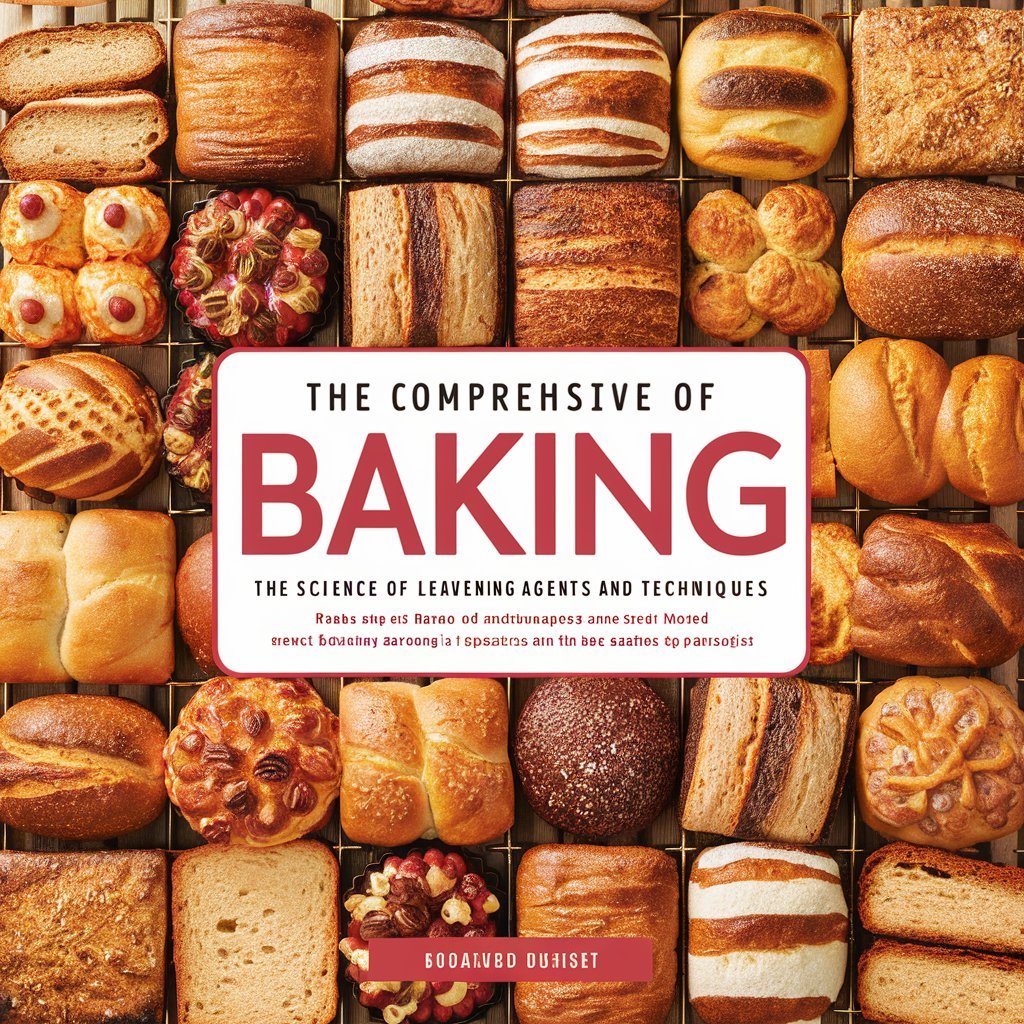
Introduction
Leavening is one of the most important concepts in baking because it determines whether baked goods become light, fluffy, soft, or dense. Every loaf of bread, cake, muffin, biscuit, and pastry depends on a leavening process that creates tiny gas bubbles inside the dough or batter. As these bubbles expand during baking, the product rises and develops the texture that people expect from quality baked foods. Without proper leavening, bread would be flat, cakes would become heavy, and pastries would lose their delicate structure.
Understanding how leavening works allows both beginners and experienced bakers to improve their recipes and troubleshoot baking problems. Different recipes require different leavening agents depending on the desired texture, flavor, moisture, and baking time. Whether you are baking artisan bread with yeast or preparing quick muffins with baking powder, knowing the science behind leavening can greatly improve your baking results.
What Is Leavening?
Leavening is the process by which gases are produced and trapped within dough or batter, causing it to expand before and during baking. These gases create millions of tiny air pockets that remain inside the baked product after cooking, giving bread its open crumb and cakes their soft, tender texture.
The primary gas responsible for leavening is carbon dioxide, although steam and air also play important roles in certain recipes. As the dough heats in the oven, these gases expand according to the laws of physics. At the same time, proteins and starches set around the gas bubbles, preserving the expanded structure and creating the final texture of the baked item.
Leavening affects nearly every aspect of baking, including volume, appearance, softness, flavor development, crumb structure, and even shelf life.
Why Is Leavening Important?
Leavening is essential because it transforms heavy mixtures into light and enjoyable baked goods. It increases volume, creates attractive shapes, improves mouthfeel, and contributes to flavor development. Proper leavening also helps ensure even baking and better moisture distribution throughout the product.
In bread making, yeast fermentation develops complex flavors while producing carbon dioxide. In cakes, chemical leavening creates a fine crumb and delicate texture. Steam contributes to the dramatic rise of pastries such as puff pastry and cream puffs. Without effective leavening, baked products would be dense, compact, and less appealing.
Types of Leavening
Biological Leavening
Biological leavening relies on living microorganisms, primarily yeast, to produce carbon dioxide through fermentation. As yeast consumes sugars in the dough, it releases carbon dioxide and alcohol. The gas becomes trapped by the gluten network, causing the dough to expand gradually.
Biological leavening is widely used for bread, pizza dough, cinnamon rolls, and many traditional baked products. One of its greatest advantages is the development of complex flavors that cannot be achieved through chemical leavening alone.
Chemical Leavening
Chemical leavening occurs when baking soda or baking powder reacts with moisture and acids to release carbon dioxide almost immediately. Baking soda requires an acidic ingredient such as yogurt, lemon juice, buttermilk, or vinegar. Baking powder already contains both the alkaline and acidic components, allowing it to produce gas when mixed and heated.
Chemical leavening is ideal for cakes, muffins, pancakes, biscuits, brownies, and cookies because it provides rapid rising without lengthy fermentation.
Physical Leavening
Physical leavening depends on air and steam rather than chemical reactions or living organisms. Air is incorporated by beating eggs or creaming butter with sugar, while steam forms during baking as water evaporates rapidly.
Examples include soufflés, sponge cakes, puff pastry, choux pastry, and popovers. Steam can dramatically expand during baking, creating impressive volume in products designed to trap moisture effectively.
Common Leavening Agents
The most common leavening agents include yeast, baking soda, baking powder, whipped egg whites, steam, and trapped air. Each performs differently and is selected according to the recipe’s requirements.
Yeast is preferred for bread because of its fermentation properties. Baking powder is commonly used in cakes and muffins because it produces a consistent rise. Baking soda works best in recipes containing acidic ingredients. Steam is indispensable for laminated pastries and choux dough.
How Leavening Works
The science behind leavening involves gas production, gas expansion, and structure formation. Once gases form inside the dough, they become trapped by gluten proteins or egg proteins. During baking, heat causes these gases to expand significantly. Eventually, starches gelatinize and proteins coagulate, locking the expanded structure into place. This sequence explains why timing, ingredient ratios, and baking temperatures are so important for successful results.
Factors That Affect Leavening
Several factors influence the effectiveness of leavening. Ingredient freshness is crucial because expired baking powder or inactive yeast cannot generate sufficient gas. Mixing technique also affects how air is incorporated and retained. Temperature influences fermentation speed and chemical reactions, while the balance of liquids and flour determines whether the dough can successfully trap expanding gases. Even altitude can require recipe adjustments because lower atmospheric pressure changes how baked goods rise.
Common Leavening Mistakes
Many baking failures result from incorrect leavening practices. Using expired leavening agents often produces dense baked goods. Measuring baking powder inaccurately can lead to excessive rising followed by collapse or an unpleasant aftertaste. Overmixing cake batter destroys air bubbles and develops too much gluten, creating tough textures. Underproofing or overproofing yeast dough can also reduce loaf volume and affect flavor.
Careful measuring, proper ingredient storage, and following recipe instructions help prevent these common problems.
Tips for Better Leavening
For consistently successful baking, always use fresh yeast and fresh baking powder. Measure ingredients accurately using proper measuring tools, maintain recommended proofing temperatures for yeast doughs, and avoid overmixing quick batters. Preheating the oven is equally important because many leavening reactions begin immediately once the batter enters the heat.
Conclusion
Leavening is the foundation of successful baking because it determines the texture, volume, softness, and appearance of countless baked products. Whether achieved through biological fermentation, chemical reactions, or physical expansion, the purpose remains the same: creating gas that lifts dough and batter into light, delicious baked goods. By understanding the different types of leavening and how they work, bakers can confidently choose the right method for every recipe, troubleshoot common problems, and consistently produce high-quality breads, cakes, pastries, and cookies.
Frequently Asked Questions (FAQs)
What is leavening in baking?
Leavening is the process of producing gases that cause dough or batter to rise, creating light and airy baked goods.
What are the three main types of leavening?
The three main types are biological leavening, chemical leavening, and physical leavening.
What is the difference between baking soda and baking powder?
Baking soda requires an acidic ingredient to react, while baking powder contains both an acid and an alkaline component, allowing it to work on its own.
Why is yeast used in bread?
Yeast ferments sugars, producing carbon dioxide that makes bread rise while also developing rich flavor and aroma.
Can steam act as a leavening agent?
Yes. Steam is a powerful physical leavening agent used in products like puff pastry, choux pastry, and popovers.
What happens if too much leavening is added?
Excess leavening can cause baked goods to rise too quickly and then collapse, resulting in poor texture and an unpleasant flavor.
How can I tell if baking powder is still active?
Mix a small amount of baking powder with warm water. If it bubbles vigorously, it is still active.
Which baked goods use chemical leavening?
Cakes, muffins, pancakes, biscuits, brownies, and many cookies commonly use chemical leavening agents.

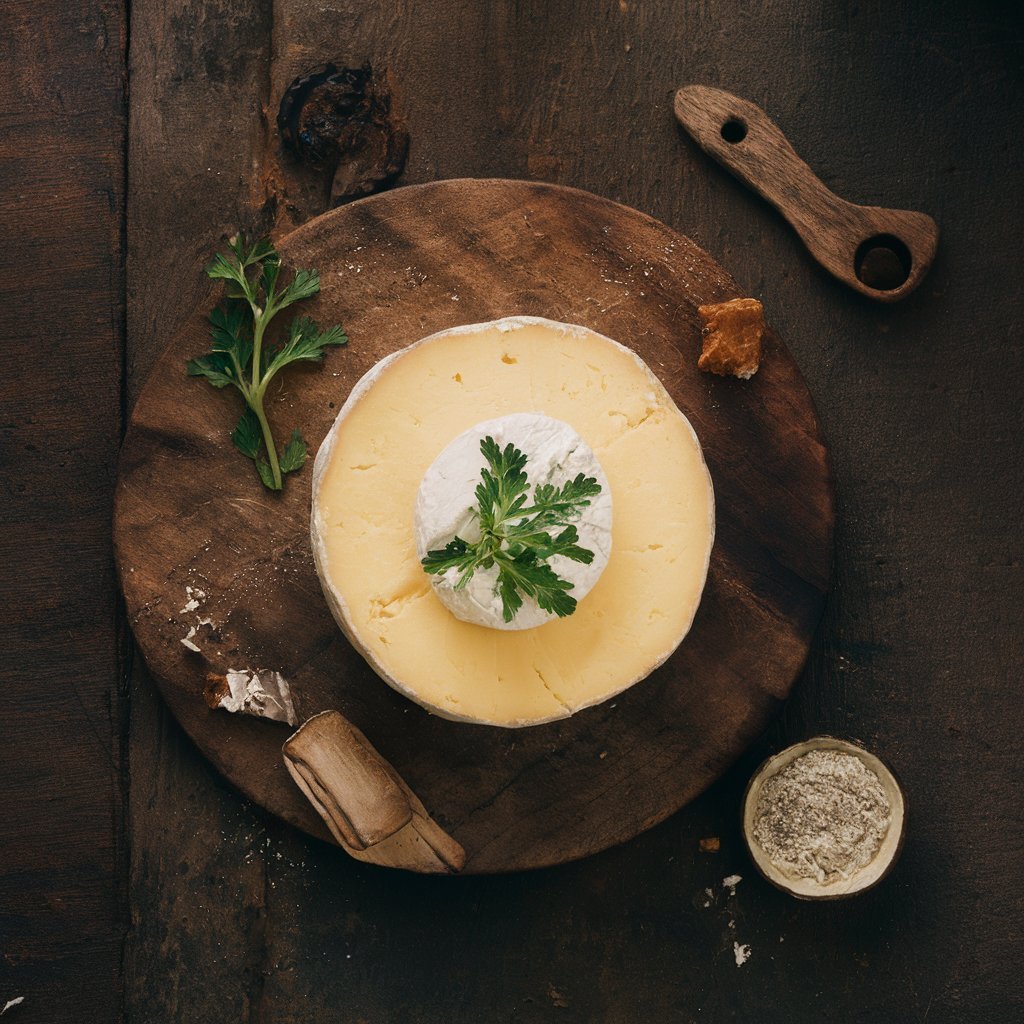
Keju Gruyere is one of the world’s most celebrated cheeses, admired by professional chefs, home cooks, and cheese enthusiasts alike. Originating from Switzerland, this premium hard cheese has earned an exceptional reputation for its rich flavor, creamy texture, and remarkable versatility in countless recipes. Whether it is melted into a comforting bowl of French onion soup, baked into a golden potato gratin, sliced for gourmet sandwiches, or served on an elegant cheese platter, Gruyere consistently delivers outstanding taste and quality. Its unique balance of nutty sweetness and savory complexity makes it a favorite ingredient in both traditional European cuisine and modern international dishes.
Many people searching for keju gruyere want to understand what makes it different from ordinary Swiss cheese, how it tastes, how to cook with it, and whether it is worth buying. This comprehensive guide answers all of those questions while exploring the history, production process, nutritional value, health benefits, storage methods, and the many delicious ways to enjoy Gruyere cheese. By the end of this article, you’ll have a complete understanding of why Gruyere remains one of the finest cheeses in the culinary world.
What Is Keju Gruyere?
Keju Gruyere is a traditional Swiss hard cheese produced from fresh cow’s milk. It takes its name from the medieval town of Gruyères in Switzerland, where the cheese has been crafted for several centuries using carefully preserved methods. Authentic Gruyere receives strict quality control and is produced according to traditional standards that preserve its unique characteristics and reputation around the world.
Unlike cheeses with large holes, authentic Gruyere usually has a smooth and dense interior with very few small openings. It matures over several months, during which it develops increasingly complex flavors. Younger Gruyere tends to be creamy, slightly sweet, and mild, while older varieties become firmer and offer deeper earthy, nutty, and slightly salty notes. Because of its excellent melting qualities, Gruyere is widely regarded as one of the best cheeses for cooking and baking.
The History of Gruyere Cheese
The history of Gruyere stretches back hundreds of years to the lush alpine regions of western Switzerland. Farmers developed the cheese as an effective way to preserve milk during seasons when fresh dairy products could not easily be consumed. Over generations, cheesemakers refined their techniques, producing a cheese that became famous throughout Europe for its exceptional quality and flavor.
Today, authentic Gruyere remains one of Switzerland’s most important food exports. Traditional production methods are carefully protected, ensuring every wheel of Gruyere maintains the same high standards established centuries ago. This commitment to quality has made Gruyere one of the most respected cheeses available worldwide.
How Keju Gruyere Is Made
The production of Gruyere begins with fresh cow’s milk collected from cows grazing on nutrient-rich alpine pastures. The milk is gently heated before natural cultures and rennet are added to form curds. These curds are cut into very small pieces, cooked, and pressed into large wheels that are immersed in a salt brine.
After pressing, the cheese enters specially controlled aging rooms where temperature and humidity are carefully monitored. During the aging period, the wheels are regularly turned and washed with brine. This slow maturation process can last anywhere from five months to more than a year, allowing the cheese to develop its signature flavor, aroma, and texture.
What Does Keju Gruyere Taste Like?
One of the main reasons Gruyere is so popular is its sophisticated flavor profile. Young Gruyere has a smooth, creamy taste with gentle buttery sweetness and mild nuttiness. As it ages, the cheese becomes firmer and develops increasingly bold flavors that include roasted nuts, caramel, earthy richness, and subtle hints of fruit.
The flavor is balanced rather than overpowering, making Gruyere suitable for many recipes. Its ability to melt into a silky, smooth consistency without becoming oily is another reason chefs frequently choose it over many other cheeses.
Nutritional Value of Keju Gruyere
Gruyere provides an impressive nutritional profile that supports a balanced diet when enjoyed in moderation. It is rich in high-quality protein that helps maintain muscles and body tissues. Calcium and phosphorus contribute to healthy bones and teeth, while vitamin B12 supports red blood cell production and nervous system function. Gruyere also contains vitamins A and K along with beneficial minerals such as zinc and selenium.
Because Gruyere contains saturated fat and sodium, portion control is recommended. However, when incorporated into a balanced eating plan, it offers valuable nutrients alongside its exceptional flavor.
Health Benefits of Keju Gruyere
The nutritional composition of Gruyere provides several health advantages. Its high calcium content supports strong bones and may reduce the risk of osteoporosis when combined with adequate vitamin D and regular exercise. The protein content promotes satiety, making meals more satisfying and helping maintain lean muscle mass. Essential vitamins and minerals contribute to healthy immune function, energy production, and overall wellness.
Like many aged cheeses, Gruyere also contains naturally occurring beneficial compounds formed during fermentation. Although it should not be viewed as a health food, enjoying Gruyere in moderation can be part of a nutritious lifestyle.
Popular Uses of Keju Gruyere
Gruyere’s versatility makes it one of the most valuable cheeses in the kitchen. It melts evenly and develops a rich golden crust when baked, making it perfect for casseroles, gratins, quiches, and baked pasta dishes. It is also the classic cheese used in traditional Swiss fondue, where its creamy texture creates a smooth dipping sauce.
Beyond hot dishes, Gruyere shines on cheese boards alongside fresh fruit, nuts, cured meats, crackers, and artisan bread. Thin slices elevate sandwiches, burgers, and gourmet paninis, while shredded Gruyere adds remarkable flavor to omelets, scrambled eggs, and savory pastries.
Best Foods to Pair with Gruyere
Gruyere pairs beautifully with many complementary ingredients. Apples, pears, grapes, figs, walnuts, almonds, honey, crusty bread, roasted vegetables, mushrooms, potatoes, and caramelized onions all enhance its naturally nutty flavor. Fresh herbs such as thyme and rosemary also work well with Gruyere in baked dishes.
Its balanced flavor profile allows it to blend harmoniously with both simple home cooking and elegant gourmet meals.
How to Store Keju Gruyere Properly
Proper storage is essential for maintaining Gruyere’s quality. Wrap the cheese in wax paper or cheese paper before placing it inside a loosely sealed container or reusable storage bag. This allows the cheese to breathe while preventing excessive moisture loss.
Store Gruyere in the refrigerator’s vegetable drawer or cheese compartment where temperatures remain stable. Avoid tightly wrapping it in plastic for long periods, as this may trap moisture and negatively affect flavor and texture. Properly stored Gruyere can remain fresh for several weeks after opening.
Keju Gruyere vs Swiss Cheese
Many people mistakenly assume all Swiss cheeses are the same. While Gruyere is a Swiss cheese, not every Swiss cheese is Gruyere. Emmental, another famous Swiss cheese, features large holes and a milder flavor. Gruyere has a denser texture, very few holes, and a richer, nuttier taste that becomes increasingly complex with aging.
Gruyere also melts more smoothly than many other cheeses, making it the preferred choice for fondue, gratins, French onion soup, and numerous baked recipes.
Why Chefs Love Gruyere
Professional chefs consistently choose Gruyere because it offers exceptional flavor, reliable melting performance, and tremendous versatility. Whether incorporated into sauces, baked dishes, soups, or sandwiches, Gruyere enhances recipes without overwhelming other ingredients. Its balanced richness creates depth while maintaining harmony within the overall dish, making it a staple ingredient in fine dining restaurants around the world.
Conclusion
Keju Gruyere has earned its international reputation through centuries of traditional craftsmanship, exceptional quality, and unforgettable flavor. From its origins in the Swiss Alps to its place in modern kitchens across the globe, Gruyere continues to delight food lovers with its creamy texture, nutty aroma, and outstanding melting ability. Whether you are preparing comforting home-cooked meals, creating elegant cheese boards, or experimenting with gourmet recipes, Gruyere provides remarkable versatility and consistently excellent results. Choosing authentic Gruyere means investing in a premium cheese that combines history, nutrition, and culinary excellence in every bite.
Frequently Asked Questions (FAQ)
1. What is keju Gruyere?
Keju Gruyere is a traditional Swiss hard cheese made from cow’s milk that is famous for its rich, nutty flavor and excellent melting properties.
2. Is Gruyere the same as Swiss cheese?
No. Gruyere is one type of Swiss cheese, but there are many different Swiss cheeses with unique flavors and textures.
3. What does Gruyere taste like?
Gruyere has a creamy, buttery, slightly sweet, and nutty flavor that becomes stronger and more complex as it ages.
4. Can Gruyere be eaten without cooking?
Yes. Gruyere is delicious when served on cheese boards, in sandwiches, or enjoyed on its own.
5. Is Gruyere good for melting?
Yes. Gruyere is considered one of the finest melting cheeses and is widely used in fondue, soups, casseroles, pasta dishes, and baked recipes.
6. How long does Gruyere last in the refrigerator?
When properly wrapped and refrigerated, Gruyere generally stays fresh for several weeks after opening.
7. Is Gruyere healthy?
Gruyere provides protein, calcium, vitamins, and essential minerals, making it a nutritious cheese when consumed in moderation.
8. What foods pair best with Gruyere?
Gruyere pairs well with apples, pears, grapes, nuts, artisan bread, potatoes, mushrooms, onions, roasted vegetables, and cured meats.
9. Can I substitute Gruyere in recipes?
Yes. Suitable substitutes include Emmental, Comté, Jarlsberg, or a combination of mild Swiss cheeses, although each will slightly alter the final flavor.
10. Why is Gruyere so popular?
Gruyere is loved worldwide because of its rich taste, smooth melting ability, premium quality, and versatility in both everyday cooking and gourmet cuisine.


 Lifestyle4 months ago
Amber the Colour: Meaning, Symbolism, Psychology, Uses, and Everything You Need to Know
- Art4 months ago
Easy Doodles: The Ultimate Guide to Simple and Creative Drawing Ideas
- Lifestyle4 months ago
SEO Title Ideas for the Keyword: “obituaries daily mountain eagle”
- Business4 months ago
FeedBuzzard: The Complete Guide to Features, Benefits, and How It Works
- Entertainment4 months ago
How to Surf: The Complete Beginner’s Guide to Learning Surfing
- Education4 months ago
Classroom 30X: The Complete Guide to Features, Educational Games, Benefits, and Safe Learning
- Entertainment4 months ago
105.1 Music Playlist: Everything You Need to Know About Today’s Radio Hits
- Tech3 months ago
YouTube MP3 SS: Complete Guide to Understanding the “YouTube MP3 SS” Shortcut, How It Works, Safety Tips, and Legal Alternatives