
Lifestyle
Anthrenus Carpet Beetles: Complete Identification, Life Cycle, Prevention, and Removal Guide

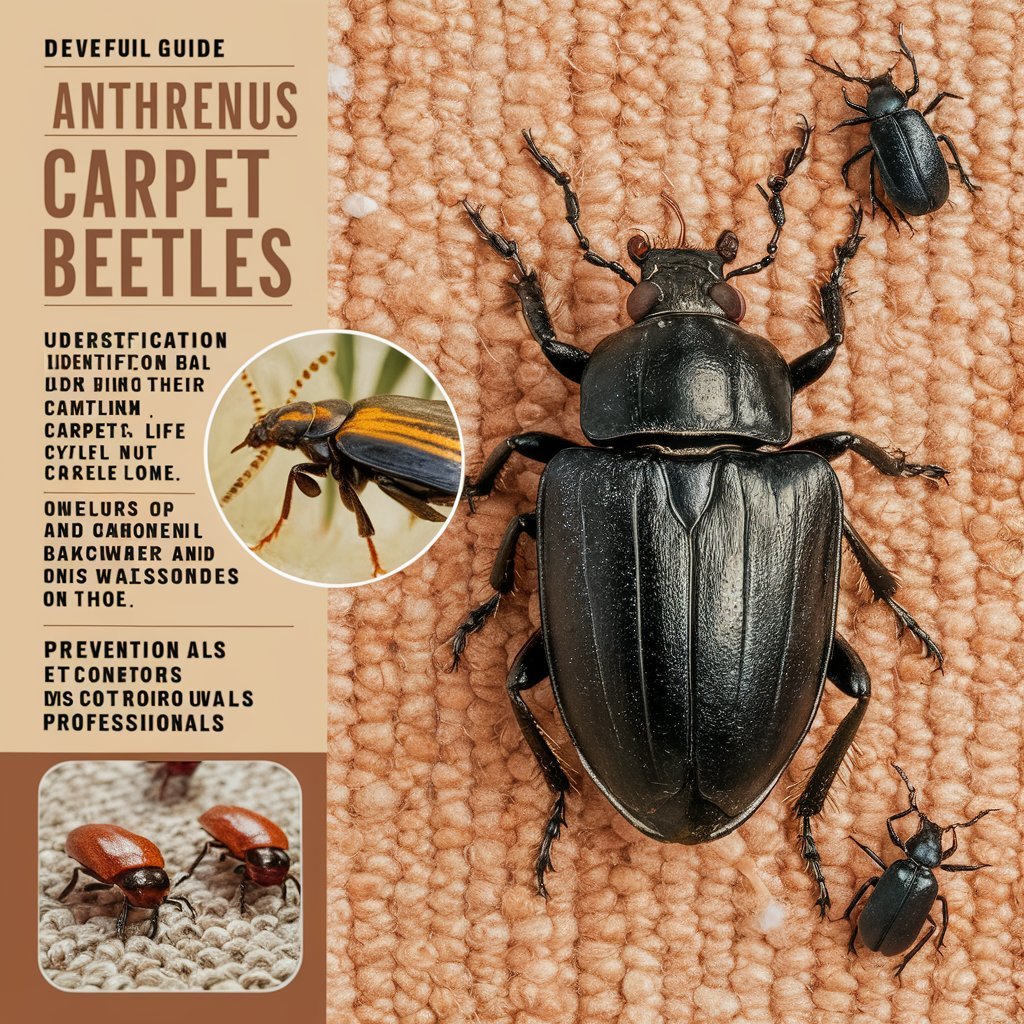
Anthrenus carpet beetles are among the most common household pests found in homes, museums, warehouses, and commercial buildings worldwide. Although these tiny beetles are often overlooked because of their small size, they can cause extensive damage to natural fibers, valuable fabrics, carpets, clothing, upholstered furniture, taxidermy specimens, and stored products. Many homeowners only discover an infestation after noticing irregular holes in wool clothing, thinning carpet fibers, or the presence of fuzzy larvae hiding in dark corners of their homes. By the time these signs become visible, the infestation may already be well established.
Belonging to the genus Anthrenus within the family Dermestidae, Anthrenus carpet beetles include several economically important species such as the varied carpet beetle, furniture carpet beetle, and museum beetle. Unlike many household insects that feed on food scraps, these beetles are attracted to materials containing keratin and other natural proteins. Wool, silk, feathers, leather, fur, felt, hair, and even preserved insect collections provide ideal food sources for developing larvae. Adult beetles, however, feed primarily on flower pollen and nectar outdoors before entering homes to lay eggs.
Understanding the biology, behavior, life cycle, feeding habits, and control methods of Anthrenus carpet beetles is essential for preventing costly damage. This comprehensive guide explains everything you need to know, from identifying different species to removing infestations effectively and preventing future outbreaks.
What Are Anthrenus Carpet Beetles?
Anthrenus carpet beetles are tiny oval-shaped beetles belonging to the Dermestidae family. Despite their small size, they are recognized as some of the most destructive fabric pests in homes and museums. The adults are harmless to humans and do not bite or sting, but their larvae feed aggressively on natural materials, making them the primary cause of damage.
These beetles are distributed across Europe, Asia, North America, Australia, Africa, and many other regions, making them one of the world’s most widespread household insects. Because they are excellent flyers, adult beetles frequently enter homes through open windows, doors, vents, cracks, or by hitchhiking on flowers, second-hand furniture, rugs, clothing, and stored textiles.
Their ability to survive in hidden locations such as under furniture, inside closets, behind baseboards, attics, wall voids, air ducts, and storage boxes allows infestations to persist for months without detection. This hidden lifestyle makes early identification especially important for homeowners.
Scientific Classification
Understanding the scientific classification of Anthrenus carpet beetles helps distinguish them from other common household pests.
- Kingdom: Animalia
- Phylum: Arthropoda
- Class: Insecta
- Order: Coleoptera
- Family: Dermestidae
- Genus: Anthrenus
The genus Anthrenus contains dozens of species, but only a few commonly infest homes and buildings. These species share similar feeding habits and life cycles but may differ slightly in appearance, distribution, and preferred habitats.
Common Species of Anthrenus Carpet Beetles
Several species of Anthrenus carpet beetles are frequently encountered in residential and commercial environments.
Varied Carpet Beetle (Anthrenus verbasci)
The varied carpet beetle is the most common species found indoors. Adults display a distinctive pattern of white, brown, yellow, and black scales on their wing covers, creating a mottled appearance. Their larvae feed on wool, silk, feathers, leather, and stored animal products. Museums often consider this species one of their most damaging pests because it attacks preserved specimens.
Furniture Carpet Beetle (Anthrenus flavipes)
Furniture carpet beetles are similar in size but have slightly different scale patterns. They are especially common in upholstered furniture, mattresses, blankets, rugs, and closets where natural fibers accumulate.
Museum Beetle (Anthrenus museorum)
As its name suggests, the museum beetle frequently infests museums, libraries, insect collections, taxidermy displays, and historical artifacts. It can cause severe damage to valuable collections if left untreated.
How to Identify Anthrenus Carpet Beetles
Correct identification is the first step toward successful control. Adult Anthrenus carpet beetles measure approximately 2–4 millimeters in length and have a rounded, oval body covered with colorful scales. Depending on the species, these scales may appear white, cream, brown, yellow, orange, or black, giving the beetles a speckled appearance.
The larvae look completely different from adults. They are elongated, brown, and covered with dense hairs or bristles. Many larvae have a distinctive tuft of longer hairs at the rear of the body. Because the larvae actively feed on fabrics and animal-based materials, they are responsible for nearly all structural and textile damage associated with carpet beetle infestations.
Life Cycle of Anthrenus Carpet Beetles
The life cycle of Anthrenus carpet beetles consists of four developmental stages: egg, larva, pupa, and adult. Female beetles deposit eggs in concealed areas near suitable food sources, including carpets, clothing, upholstered furniture, bird nests, and stored fabrics. Depending on environmental conditions, the eggs hatch within one to three weeks.
The larval stage lasts much longer than any other phase and may continue for several months or even more than a year in cooler climates. During this time, larvae consume large quantities of natural fibers, repeatedly shedding their skins as they grow. Once fully developed, they transform into pupae before emerging as adult beetles. Adult beetles generally live for only a few weeks, focusing on reproduction and dispersal rather than feeding on household materials.
Warm temperatures, abundant food, and undisturbed hiding places accelerate population growth, allowing infestations to expand rapidly if not addressed.
Where Do Anthrenus Carpet Beetles Live?
Anthrenus carpet beetles thrive in dark, undisturbed areas where food sources are plentiful. Indoors, they commonly inhabit closets, carpets, rugs, upholstered furniture, attics, storage boxes, air vents, wall voids, basements, and areas beneath heavy furniture. Bird nests, rodent nests, and accumulations of lint or pet hair provide ideal breeding sites because they contain feathers, fur, and organic debris.
Outdoors, adult beetles are often found visiting flowers, feeding on pollen and nectar. Gardens, flowering shrubs, meadows, and landscapes surrounding homes act as reservoirs from which adults may enter buildings during the breeding season.
What Do Anthrenus Carpet Beetles Eat?
Larvae feed primarily on animal-based materials rich in keratin, including wool carpets, wool clothing, silk garments, fur coats, leather goods, feathers, hair, taxidermy specimens, felt, blankets, upholstered furniture, stuffed animals, and natural-fiber rugs. They may also consume dead insects, pet hair, lint, and stored food products under certain conditions.
Adult beetles, in contrast, feed mainly on pollen and nectar from flowering plants. This dietary difference explains why adults are frequently seen near windows or flowers while larvae remain hidden within fabrics and other protected locations.
Signs of an Anthrenus Carpet Beetle Infestation
The earliest indication of an infestation is often unexplained damage to fabrics. Small, irregular holes appearing in wool sweaters, carpets, blankets, and upholstery may signal feeding by larvae. Shed larval skins, tiny bristly larvae, and clusters of adult beetles near windows are additional warning signs. Homeowners may also notice accumulations of fine dust or insect fragments beneath infested items.
Regular inspections of closets, storage containers, rugs, and seldom-used rooms can help detect infestations before extensive damage occurs.
Damage Caused by Anthrenus Carpet Beetles
Although adult beetles are harmless to household belongings, the larvae are capable of causing significant destruction. Their feeding weakens textile fibers, leaving irregular holes in clothing, carpets, blankets, curtains, and upholstered furniture. Collections of preserved insects, mounted animals, feathers, and museum artifacts are particularly vulnerable because they contain abundant protein-rich materials.
Infestations can result in expensive repairs, replacement of valuable heirlooms, and permanent loss of historical or sentimental items. Businesses dealing with textiles, museums, hotels, and antique collections often invest heavily in preventive monitoring because even a small infestation can have serious financial consequences.
Are Anthrenus Carpet Beetles Dangerous?
Anthrenus carpet beetles are not considered dangerous in the same way as mosquitoes, termites, or bed bugs. They do not bite, sting, transmit diseases, or feed on human blood. However, the tiny hairs on larval bodies can cause skin irritation or allergic reactions in sensitive individuals after prolonged exposure. More importantly, their ability to damage natural fabrics and valuable collections makes them economically significant household pests.
How to Prevent Anthrenus Carpet Beetles
Preventing infestations is much easier than eliminating established populations. Regular vacuuming removes eggs, larvae, lint, and pet hair before beetles can multiply. Natural-fiber clothing should be cleaned before storage and placed in airtight containers or sealed garment bags. Cracks around windows, doors, and vents should be sealed to reduce the entry of flying adults. Bird nests near buildings should be removed when safe and legal to do so, and clutter should be minimized to eliminate hidden breeding sites. Routine inspections of stored fabrics and rarely used rooms can detect problems early, reducing the risk of widespread damage.
How to Get Rid of Anthrenus Carpet Beetles
Successful control requires a combination of sanitation, targeted cleaning, and, when necessary, chemical treatment. Thorough vacuuming of carpets, furniture, closets, baseboards, and air vents removes many eggs and larvae. Washing infested fabrics in hot water or dry-cleaning delicate items helps eliminate hidden pests. Severely damaged materials may need to be discarded to prevent continued breeding. In cases of widespread infestation, insecticides labeled for carpet beetles or professional pest control services may be required to reach hidden larvae in inaccessible areas.
Persistence is important because eggs and larvae may survive initial treatments. Follow-up inspections and repeated cleaning ensure that any remaining beetles are removed before they can reproduce.
Frequently Asked Questions (FAQ)
What are Anthrenus carpet beetles?
Anthrenus carpet beetles are small beetles in the Dermestidae family whose larvae feed on natural fibers such as wool, silk, fur, feathers, leather, and hair, making them important household pests.
Do Anthrenus carpet beetles bite humans?
No. Adult beetles and larvae do not bite or feed on human blood. However, the hairs of the larvae may cause mild skin irritation in some people.
What attracts Anthrenus carpet beetles?
They are attracted to natural fibers, pet hair, feathers, dead insects, lint, bird nests, stored fabrics, and dark, undisturbed locations where larvae can develop safely.
Can carpet beetles damage clothing?
Yes. Larvae commonly feed on wool sweaters, coats, blankets, rugs, silk garments, felt, leather, and other natural-fiber products, leaving irregular holes behind.
How long does the life cycle take?
The complete life cycle varies depending on temperature and food availability but may take several months to more than a year, with the larval stage lasting the longest.
What is the fastest way to eliminate an infestation?
The most effective approach combines deep vacuuming, washing or dry-cleaning infested fabrics, reducing clutter, sealing entry points, and applying appropriate insecticides or hiring a professional pest control service when necessary.
Conclusion
Anthrenus carpet beetles may be tiny, but they are capable of causing significant damage to homes, museums, businesses, and valuable collections when left unchecked. Their larvae feed on a wide range of natural materials, including wool, silk, leather, feathers, fur, and preserved specimens, often remaining hidden until noticeable damage has already occurred. Understanding their identification, life cycle, feeding habits, and preferred hiding places allows homeowners to detect infestations early and respond effectively. Consistent cleaning, proper storage of textiles, routine inspections, and prompt treatment are the keys to long-term prevention. By following the guidance in this article, you can protect your belongings, reduce the risk of recurring infestations, and maintain a healthier, pest-free home environment.

Insurance plays a critical role in protecting individuals and families from unexpected financial hardships, medical emergencies, accidents, and other unforeseen events. Choosing the right insurance provider or program can make a significant difference in long-term financial security, giving people peace of mind while ensuring they are prepared for life’s uncertainties. Among the names that many people search online is Juntos Seguros, a term associated with the idea of staying protected together through reliable insurance solutions. Whether you are looking for health coverage, life insurance, financial protection, or affordable plans designed for families, understanding how Juntos Seguros works can help you make informed decisions about your future.
In this comprehensive guide, we will explore what Juntos Seguros means, its potential insurance services, key benefits, available coverage options, reasons people choose insurance protection, important factors to consider before enrolling, and frequently asked questions. By the end of this article, you will have a clear understanding of why comprehensive insurance planning is an essential part of building financial stability for yourself and your loved ones.
What Is Juntos Seguros?
The phrase “Juntos Seguros“ translates from Spanish as “Safe Together” or “Together, Secure.” It is commonly used in programs, campaigns, and organizations that emphasize working together to improve financial security, healthcare access, and insurance protection. Depending on the country or organization, Juntos Seguros may refer to an insurance initiative, a community-focused program, or a service that aims to make insurance more accessible to individuals and families.
The core idea behind Juntos Seguros is that insurance should provide more than financial reimbursement after an unexpected event. It should also give families confidence, stability, and access to resources that help them recover from difficult situations. Whether protecting against medical expenses, accidents, property damage, or the loss of income, insurance is designed to reduce financial risk and support long-term well-being.
As awareness of financial planning continues to grow, many people seek affordable insurance options that balance comprehensive coverage with manageable premiums. Programs or services using the Juntos Seguros concept often focus on making insurance easier to understand and more accessible for communities that may face barriers to traditional financial services.
Why Insurance Is Important
Insurance serves as a financial safety net that protects individuals and families from unexpected expenses. Medical emergencies, natural disasters, accidents, or the loss of a family’s primary income can create significant financial stress. Without insurance, these events may result in overwhelming debt or long-term financial instability.
A reliable insurance plan helps reduce these risks by covering eligible expenses according to the policy terms. Health insurance can reduce medical bills, life insurance can provide financial support to loved ones, property insurance can help repair or replace damaged assets, and other specialized insurance products offer protection for vehicles, businesses, and personal belongings.
Insurance also encourages long-term financial planning. Instead of worrying about how to pay for unexpected events, policyholders can focus on recovery and maintaining their quality of life while their insurance coverage helps manage eligible costs.
Key Benefits of Juntos Seguros
One of the greatest strengths of Juntos Seguros is its emphasis on making insurance accessible, understandable, and beneficial for families and individuals. Rather than viewing insurance solely as a financial product, the concept encourages long-term security and community support. Affordable premiums can make insurance more attainable, while flexible plans allow people to select coverage that matches their needs and budgets. Many insurance solutions also provide preventive healthcare services, financial education, digital account management, and customer support to improve the overall experience.
Another important benefit is peace of mind. Knowing that your family has financial protection in place during emergencies allows you to focus on work, education, and daily life without constantly worrying about unexpected expenses. Insurance also helps preserve savings, preventing medical bills or accident-related costs from consuming funds that were intended for future goals such as home ownership, retirement, or children’s education.
Types of Insurance Often Associated with Juntos Seguros
Insurance programs operating under the Juntos Seguros concept may include various forms of protection depending on the provider and region. Health insurance is often one of the most important offerings because it helps individuals access medical treatment while reducing out-of-pocket expenses. Life insurance provides financial assistance to beneficiaries after the death of the insured person, helping families manage ongoing living expenses. Accident insurance offers benefits following covered injuries, while disability insurance may replace part of a person’s income if they become unable to work due to illness or injury.
Some providers also offer dental, vision, property, travel, or business insurance, allowing customers to combine multiple policies under one provider. Bundling insurance products may lead to simplified policy management and, in some cases, cost savings.
How to Choose the Right Insurance Plan
Selecting an insurance plan requires careful evaluation of your financial situation, family needs, health conditions, and future goals. Before purchasing any policy, compare the available coverage, deductibles, exclusions, claim procedures, premium costs, and customer service quality. Reading policy documents thoroughly helps ensure you understand what is covered and what limitations apply.
You should also evaluate the financial strength and reputation of the insurance provider, as this can influence claims processing and customer support. Choosing coverage based solely on the lowest premium may leave important risks uninsured, while paying for unnecessary coverage can increase expenses without providing additional value. Finding the right balance between affordability and comprehensive protection is essential.
Who Can Benefit from Juntos Seguros?
Juntos Seguros can benefit a wide range of people, including young professionals beginning their financial journey, growing families seeking dependable protection, retirees looking for healthcare security, and self-employed individuals who need customized insurance solutions. Small business owners may also benefit by protecting their operations, employees, and financial investments against unexpected events.
For families with children, insurance provides additional reassurance that educational plans, household expenses, and healthcare needs can continue even during difficult circumstances. Individuals nearing retirement often prioritize insurance to protect savings from large medical costs or other unexpected financial challenges.
Tips for Maximizing Your Insurance Benefits
To get the greatest value from insurance, review your policy regularly to ensure it still reflects your current needs. Keep beneficiary information up to date, understand the claims process before an emergency occurs, maintain organized records of important documents, and notify your insurer whenever significant life changes occur. Comparing plans periodically can also help identify opportunities to improve coverage or reduce costs while maintaining adequate protection.
Common Mistakes to Avoid
Many people purchase insurance without reading the policy details, assuming every situation is covered. Others underestimate the amount of coverage their family requires or fail to update policies after marriage, the birth of children, or major financial changes. Missing premium payments, misunderstanding deductibles, and delaying claims can also reduce the effectiveness of insurance protection. Taking time to understand your policy can prevent costly surprises in the future.
Conclusion
Juntos Seguros represents the powerful idea of achieving greater financial security and peace of mind through insurance and shared protection. Whether you are searching for health insurance, life insurance, accident coverage, or broader financial planning solutions, understanding the available options helps you choose coverage that fits your personal and family needs. A well-designed insurance plan not only protects against unexpected financial burdens but also supports long-term stability, allowing individuals and families to pursue their goals with greater confidence. By carefully comparing plans, reviewing policy terms, and maintaining adequate coverage, you can build a stronger financial future while ensuring that those you care about remain protected when it matters most.
Frequently Asked Questions (FAQ)
1. What does Juntos Seguros mean?
Juntos Seguros is a Spanish phrase meaning “Safe Together” or “Together, Secure.” It is often associated with insurance programs or initiatives focused on protection and financial security.
2. Is Juntos Seguros an insurance company?
The phrase may refer to different insurance programs or organizations depending on the country or provider. Always verify the specific organization you are researching.
3. What types of insurance can Juntos Seguros include?
It may include health, life, accident, disability, property, dental, vision, travel, or other insurance products depending on the provider.
4. Why is insurance important for families?
Insurance helps protect families from unexpected financial losses caused by illness, accidents, death, or property damage while supporting long-term financial stability.
5. How do I choose the best insurance plan?
Compare coverage, premiums, exclusions, deductibles, claim procedures, provider reputation, and customer support before making a decision.
6. Can insurance help reduce financial stress?
Yes. Insurance can significantly reduce the financial burden of unexpected events by covering eligible expenses according to the policy terms.
7. Who should consider insurance coverage?
Almost everyone can benefit from insurance, including individuals, families, retirees, self-employed professionals, and business owners.
8. How often should I review my insurance policy?
Review your policy at least once a year or whenever major life events occur, such as marriage, the birth of a child, purchasing a home, or changing jobs.




 Lifestyle4 months ago
Amber the Colour: Meaning, Symbolism, Psychology, Uses, and Everything You Need to Know
- Art4 months ago
Easy Doodles: The Ultimate Guide to Simple and Creative Drawing Ideas
- Lifestyle4 months ago
SEO Title Ideas for the Keyword: “obituaries daily mountain eagle”
- Business4 months ago
FeedBuzzard: The Complete Guide to Features, Benefits, and How It Works
- Entertainment4 months ago
How to Surf: The Complete Beginner’s Guide to Learning Surfing
- Education4 months ago
Classroom 30X: The Complete Guide to Features, Educational Games, Benefits, and Safe Learning
- Entertainment4 months ago
105.1 Music Playlist: Everything You Need to Know About Today’s Radio Hits
- Tech3 months ago
YouTube MP3 SS: Complete Guide to Understanding the “YouTube MP3 SS” Shortcut, How It Works, Safety Tips, and Legal Alternatives