Art
Avant Garde: Meaning, History, Characteristics, and Influence on Modern Art

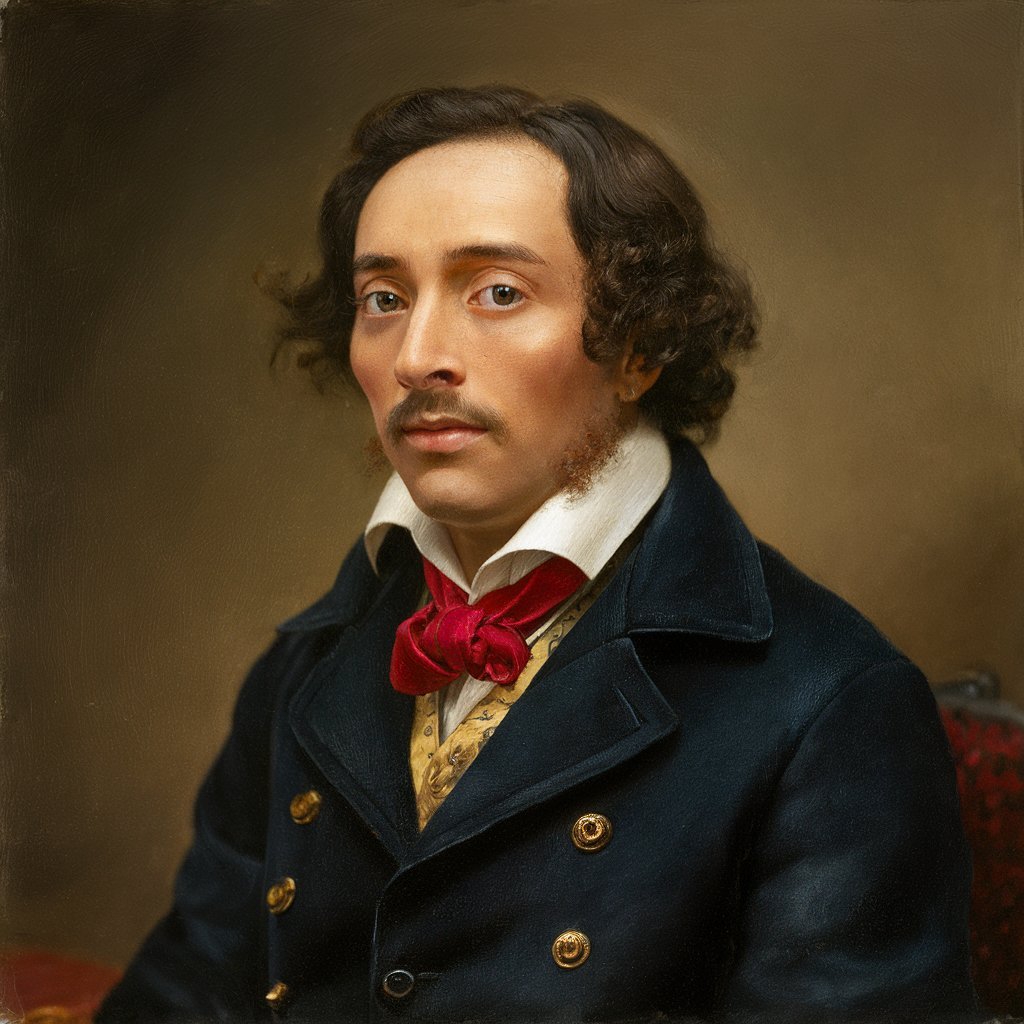
The term avant garde represents far more than an artistic style—it symbolizes innovation, experimentation, and the courage to challenge traditional thinking. Throughout history, avant-garde creators have pushed the boundaries of art, literature, architecture, music, fashion, and design by introducing bold ideas that often seemed controversial during their own time. Although many avant-garde movements were initially criticized or misunderstood, they frequently became the foundation for future artistic revolutions and continue to inspire contemporary creators across the globe.
Understanding the meaning of avant garde helps explain why so many groundbreaking works of art and culture emerged during periods of rapid social and technological change. Rather than accepting established rules, avant-garde artists sought new methods of expression, questioned social norms, and explored ideas that reflected changing political, philosophical, and cultural landscapes. Today, the influence of the avant-garde can be seen in museums, fashion runways, digital media, architecture, experimental cinema, and even modern advertising. This guide explores the complete history, defining characteristics, major movements, influential artists, and lasting impact of the avant-garde while explaining why it remains one of the most important concepts in creative history.
What Does Avant Garde Mean?
The phrase avant garde originates from the French military expression meaning “advance guard” or “vanguard.” In military terminology, the advance guard refers to the soldiers who move ahead of the main army to explore unfamiliar territory. Over time, this concept was adopted by artists and intellectuals to describe individuals who venture beyond established conventions and introduce revolutionary ideas.
In the creative world, avant garde refers to works that are innovative, experimental, unconventional, and often ahead of their time. Rather than following traditional artistic standards, avant-garde creators deliberately challenge accepted techniques, question cultural assumptions, and encourage audiences to think differently. Their work frequently sparks debate because it rejects familiar expectations in favor of originality and exploration.
The History of the Avant Garde Movement
The roots of the avant-garde movement can be traced back to nineteenth-century Europe, particularly France, where political upheaval and industrial transformation encouraged artists to rethink the purpose of creative expression. During this period, many intellectuals believed that art should actively shape society instead of merely reflecting it. This philosophy inspired artists to break away from academic traditions and experiment with entirely new visual languages and literary forms.
The twentieth century witnessed an explosion of avant-garde movements that dramatically changed artistic practice. Cubism fragmented visual perspective, Futurism celebrated speed and technology, Dada rejected conventional logic through absurdity, Surrealism explored dreams and the unconscious mind, and Abstract Expressionism emphasized emotional freedom over realistic representation. Each movement expanded the possibilities of artistic expression while influencing future generations across multiple disciplines. As globalization accelerated, avant-garde ideas spread beyond Europe, inspiring artists worldwide to develop their own experimental approaches rooted in local cultures and experiences.
Characteristics of Avant Garde Art
Avant-garde art is distinguished by several defining characteristics that separate it from traditional artistic practices. Innovation remains its central principle, as artists continuously search for new techniques, materials, and forms of expression instead of repeating established methods. Originality is valued above convention, encouraging creators to develop unique visual languages that surprise audiences and provoke discussion.
Another important characteristic is experimentation. Avant-garde artists frequently combine different artistic disciplines, incorporate unusual materials, or abandon recognizable structures altogether. Many works intentionally challenge viewers by presenting unfamiliar perspectives that require active interpretation rather than passive observation. Social criticism also plays an important role, with many avant-garde creators addressing issues such as politics, inequality, technology, identity, and cultural transformation through symbolic or abstract forms.
Risk-taking defines the movement as well. Avant-garde artists accept uncertainty and criticism because their primary goal is not immediate popularity but long-term innovation. Many masterpieces initially dismissed by critics eventually became milestones in art history after society recognized their groundbreaking significance.
Major Avant Garde Movements
Several influential artistic movements contributed to the evolution of the avant-garde. Cubism revolutionized painting by representing objects from multiple viewpoints simultaneously, fundamentally changing visual perception. Futurism embraced industrialization, machinery, speed, and technological progress while rejecting nostalgia for the past. Dada emerged during World War I as a protest against violence and irrationality, using humor, chance, and absurdity to criticize society.
Surrealism shifted artistic attention toward dreams, psychology, and the subconscious mind, producing imaginative compositions that challenged logical interpretation. Abstract Expressionism later emphasized emotional intensity through spontaneous gestures and nonrepresentational imagery, allowing artists to communicate inner experiences without relying on realistic subjects. Minimalism responded by reducing artistic elements to their simplest forms, demonstrating that powerful ideas could emerge through simplicity rather than complexity.
Each movement contributed unique innovations while sharing the common goal of challenging traditional artistic boundaries and expanding creative possibilities.
Famous Avant Garde Artists
Many influential artists helped define the avant-garde tradition through groundbreaking experimentation. Pablo Picasso transformed modern painting through Cubism, radically altering how space and perspective were represented. Marcel Duchamp questioned the very definition of art by presenting ordinary manufactured objects as artistic works, forcing audiences to reconsider creativity itself. Salvador Dalí became internationally recognized for surreal dreamlike imagery that blended technical precision with psychological symbolism.
Wassily Kandinsky pioneered abstract painting by demonstrating that color and form alone could communicate emotion without depicting recognizable objects. Kazimir Malevich advanced geometric abstraction through Suprematism, while Jackson Pollock revolutionized painting with his energetic drip technique that emphasized movement and spontaneity. These artists continue to influence contemporary creators working across visual arts, design, architecture, and digital media.
Avant Garde in Fashion
Avant-garde fashion rejects conventional clothing design by prioritizing artistic expression over commercial trends. Designers often experiment with unconventional silhouettes, innovative fabrics, sculptural forms, and dramatic visual concepts that challenge traditional ideas of beauty and functionality. Rather than simply producing wearable garments, avant-garde fashion transforms clothing into artistic statements capable of expressing identity, culture, and social commentary.
Modern fashion shows frequently feature experimental collections that inspire mainstream designers in subsequent seasons. Concepts once considered radical gradually become accepted trends, illustrating how avant-garde creativity continually reshapes the fashion industry.
Avant Garde in Literature
Avant-garde literature challenges traditional storytelling through innovative narrative structures, unconventional language, fragmented chronology, and experimental perspectives. Authors often reject linear plots in favor of stream-of-consciousness writing, nonlinear storytelling, symbolic imagery, and philosophical exploration. Readers are encouraged to actively interpret meaning rather than simply follow a predictable sequence of events.
This literary experimentation expanded the possibilities of fiction, poetry, and drama while influencing countless contemporary writers seeking new forms of creative expression.
Avant Garde in Music
Avant-garde music explores new sounds, unusual instruments, unconventional compositions, and experimental performance techniques. Rather than adhering to familiar melodies or harmonies, composers frequently incorporate electronic technology, improvisation, ambient sound, silence, and unexpected musical structures. These innovations broaden listeners’ understanding of what music can become while inspiring future developments across classical, jazz, electronic, and contemporary genres.
Avant Garde in Architecture and Design
Architecture and design have long embraced avant-garde principles through innovative structures, sustainable technologies, and futuristic aesthetics. Architects experiment with unconventional geometry, advanced engineering, and environmentally responsible materials to create buildings that challenge traditional expectations while addressing modern societal needs. Similarly, industrial and graphic designers continually develop innovative products and visual identities that combine functionality with artistic originality.
Many contemporary urban landmarks reflect avant-garde thinking by integrating technology, sustainability, and bold visual expression into architectural design.
Why Avant Garde Matters Today
Despite originating more than a century ago, the avant-garde remains highly relevant in today’s rapidly changing world. Emerging technologies such as artificial intelligence, virtual reality, digital art, and immersive media continue the avant-garde tradition by redefining creative possibilities. Artists increasingly combine science, technology, philosophy, and environmental awareness to address complex global issues through innovative forms of expression.
Businesses, educators, designers, filmmakers, and entrepreneurs also benefit from avant-garde thinking because innovation often begins by questioning accepted assumptions. The willingness to experiment, embrace uncertainty, and imagine alternative futures remains essential for progress across every creative industry.
Examples of Avant Garde in Everyday Life
Although many people associate the avant-garde exclusively with museums or galleries, its influence appears throughout everyday life. Modern smartphone design, cutting-edge architecture, experimental advertising campaigns, interactive museum exhibitions, virtual reality experiences, independent films, conceptual fashion collections, and digital installations all reflect avant-garde principles. Innovations initially perceived as unusual frequently become standard practice after widespread adoption, demonstrating how avant-garde experimentation drives cultural evolution.
The Lasting Legacy of the Avant Garde
The legacy of the avant-garde extends far beyond individual artworks or historical movements. It represents a mindset centered on curiosity, creativity, and continuous exploration. Every generation produces new innovators who challenge conventional thinking, embrace emerging technologies, and develop original methods of expression that redefine cultural expectations. While artistic styles evolve over time, the underlying philosophy of experimentation remains constant, ensuring that the avant-garde continues to inspire progress across art, science, technology, education, and society.
Rather than preserving the past unchanged, the avant-garde encourages humanity to imagine possibilities that have never before existed. This enduring commitment to innovation explains why the movement remains one of the most influential forces in modern creative history.
Conclusion
The avant garde is much more than an artistic movement—it is a philosophy of innovation, experimentation, and fearless creativity that has shaped culture for more than a century. From revolutionary paintings and experimental literature to bold fashion, architecture, music, and digital media, the avant-garde has consistently challenged conventional thinking while inspiring future generations to explore new ideas. Although many avant-garde works were initially controversial, history has repeatedly shown that today’s radical innovation often becomes tomorrow’s accepted standard. By understanding the meaning, history, characteristics, and influence of the avant-garde, readers gain valuable insight into how creativity evolves and why challenging tradition remains essential for artistic and cultural progress.
Frequently Asked Questions (FAQs)
1. What does avant garde mean?
Avant garde is a French term meaning “advance guard” or “vanguard.” It refers to innovative and experimental ideas that challenge traditional artistic or cultural norms.
2. What is avant garde art?
Avant garde art emphasizes originality, experimentation, and creativity by breaking away from conventional artistic styles and techniques.
3. Why is the avant garde movement important?
The movement introduced revolutionary ideas that transformed painting, literature, music, fashion, architecture, and design while influencing modern creative industries.
4. What are the main characteristics of avant garde?
The primary characteristics include innovation, experimentation, originality, risk-taking, social criticism, unconventional techniques, and challenging established traditions.
5. Who are some famous avant garde artists?
Notable figures include Pablo Picasso, Marcel Duchamp, Salvador Dalí, Wassily Kandinsky, Kazimir Malevich, and Jackson Pollock.
6. Is avant garde still relevant today?
Yes. Avant-garde thinking continues to influence digital art, artificial intelligence, virtual reality, architecture, fashion, music, filmmaking, and modern design.
7. What is the difference between modern art and avant garde?
Modern art is a broad category covering artistic developments from the late nineteenth century onward, while avant garde specifically refers to works that intentionally push boundaries and introduce revolutionary ideas.
8. Can avant garde be applied outside art?
Absolutely. The concept extends to technology, business, education, architecture, fashion, design, and any field where innovation challenges traditional approaches.
Introduction
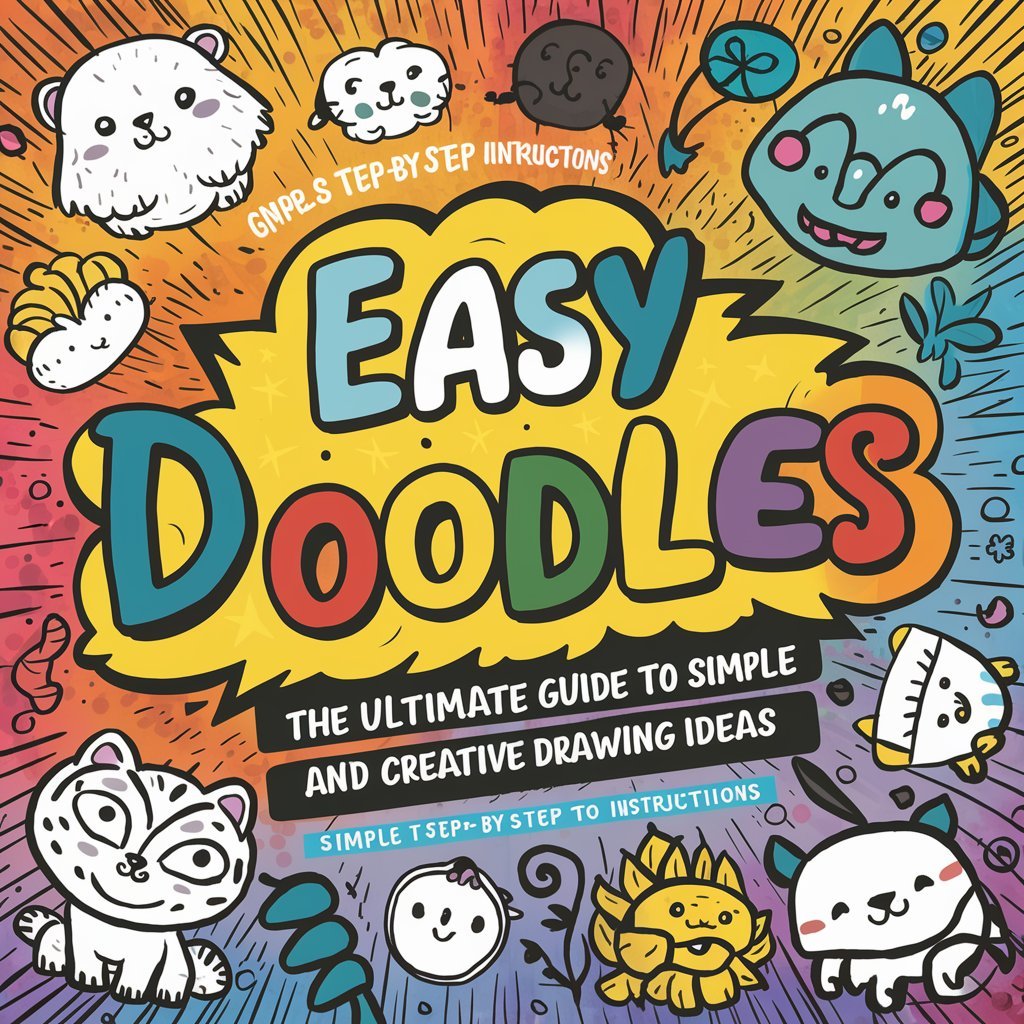
Easy doodles are one of the most enjoyable ways to express creativity without needing professional drawing skills or expensive art supplies. Whether you’re a complete beginner, a student looking to decorate your notes, a bullet journal enthusiast, or simply someone who enjoys relaxing with a pencil and paper, doodling is a wonderful hobby that anyone can start today. Unlike detailed artwork, easy doodles focus on simple shapes, clean lines, and creative imagination, making them perfect for people of all ages. Even spending just a few minutes each day drawing simple doodles can improve focus, reduce stress, strengthen hand coordination, and help develop artistic confidence over time.
In this complete guide, you’ll discover everything you need to know about easy doodles, including beginner-friendly ideas, cute doodles, aesthetic doodles, seasonal drawings, food doodles, animal doodles, flower sketches, lettering techniques, and practical tips that will help you become better at drawing. Whether you’re filling a sketchbook or decorating your planner, these easy doodles will inspire endless creativity.
What Are Easy Doodles?
Easy doodles are small, simple drawings that require little planning and can be completed in just a few minutes. They often begin with basic shapes like circles, squares, triangles, hearts, stars, and curved lines before becoming recognizable objects. Unlike realistic illustrations, doodles encourage creativity rather than perfection. This freedom makes doodling an enjoyable activity for beginners who want to practice drawing without feeling overwhelmed.
Many artists actually recommend starting with doodles before attempting detailed artwork because doodling improves muscle memory, line control, imagination, and drawing confidence. The more frequently you doodle, the more naturally your artistic skills begin to grow.
Why Easy Doodles Are So Popular
Easy doodles have become increasingly popular because they are accessible to everyone. Unlike painting or digital illustration, doodling requires nothing more than a pen and paper. Students decorate notebooks with doodles, professionals use doodles during brainstorming sessions, and artists use them as warm-up exercises before larger projects.
Doodling has also become a popular mindfulness activity because it helps reduce anxiety and keeps the mind focused on the present moment. Many psychologists even recommend doodling during meetings or while studying because it can improve concentration and information retention.
Easy Doodles for Beginners
If you’re new to drawing, start with simple subjects that use basic geometric shapes. Some of the easiest doodles include:
- Hearts
- Stars
- Clouds
- Rainbows
- Smiley faces
- Flowers
- Leaves
- Butterflies
- Mushrooms
- Trees
- Suns
- Moons
- Mountains
- Balloons
- Ice cream cones
- Cups of coffee
- Books
- Pencils
- Cats
- Dogs
These drawings teach you how different shapes combine to create recognizable objects.
Cute Easy Doodles
Cute doodles are among the most searched drawing styles because they are fun, charming, and beginner-friendly. You can make almost anything appear cute simply by adding smiling faces, rosy cheeks, or tiny eyes.
Popular cute doodles include:
- Sleeping cats
- Happy dogs
- Tiny pandas
- Chubby birds
- Baby elephants
- Kawaii strawberries
- Happy cupcakes
- Smiling donuts
- Bubble tea
- Tiny planets
- Baby dinosaurs
- Little ghosts
- Cute frogs
- Cartoon bees
- Small turtles
These doodles work wonderfully in journals, greeting cards, scrapbooks, and planners.
Easy Animal Doodles
Animals are one of the easiest categories to practice because many can be simplified into circles and ovals. Beginners often start with cartoon versions before moving toward realistic sketches.
Popular animal doodles include:
- Cats
- Dogs
- Rabbits
- Foxes
- Bears
- Penguins
- Owls
- Fish
- Dolphins
- Whales
- Ducks
- Chickens
- Ladybugs
- Bees
- Butterflies
Practice each animal several times until drawing them becomes second nature.
Easy Flower Doodles
Flowers are timeless doodle subjects because every flower can be simplified into petals surrounding a center circle. They are perfect for decorating notebooks, wedding invitations, calendars, and planners.
Easy flower doodles include:
- Roses
- Tulips
- Daisies
- Sunflowers
- Lavender
- Cherry blossoms
- Hibiscus
- Wildflowers
- Lotus flowers
- Poppies
Adding leaves, vines, and small dots around flowers creates attractive botanical designs.
Food Doodles
Food doodles are colorful, playful, and ideal for beginners. Most foods have simple shapes that are easy to draw repeatedly.
Popular food doodles include:
- Pizza slices
- Hamburgers
- Fries
- Ice cream
- Donuts
- Cupcakes
- Cookies
- Watermelon
- Apples
- Bananas
- Coffee cups
- Bubble tea
- Sushi
- Pancakes
- Tacos
Food doodles are especially popular in bullet journals and recipe planners.
Aesthetic Easy Doodles
Aesthetic doodles focus on clean lines, minimalism, and pleasing compositions. These drawings are especially popular on Pinterest and Instagram.
Ideas include:
- Crescent moons
- Stars
- Planets
- Mountains
- Leaves
- Vines
- Candles
- Books
- Windows
- Butterflies
- Clouds
- Rain
- Hearts
- Feathers
- Abstract line art
Minimal details often create the most elegant results.
Nature Doodles
Nature offers endless inspiration for simple drawings. Because organic shapes vary naturally, there is no pressure to make every line perfect.
Nature doodles include:
- Trees
- Mountains
- Rivers
- Clouds
- Rain
- Snowflakes
- Cactus
- Ferns
- Mushrooms
- Pine cones
- Acorns
- Waves
- Shells
- Birds
- Forest scenes
These drawings pair beautifully with landscape journals and travel notebooks.
Seasonal Easy Doodles
Every season offers unique doodling opportunities.
Spring Doodles
Flowers, butterflies, bees, rainbows, umbrellas, birds, nests, and baby animals.
Summer Doodles
Ice cream, sunglasses, beaches, seashells, palm trees, flip-flops, watermelon, and sunsets.
Autumn Doodles
Pumpkins, leaves, acorns, mushrooms, coffee cups, scarves, apples, and woodland animals.
Winter Doodles
Snowmen, snowflakes, mittens, hot chocolate, Christmas trees, ornaments, stars, and cozy sweaters.
Easy Doodles for Bullet Journals
Bullet journals become more engaging with simple illustrations that separate sections and highlight important information. Small icons help organize tasks while adding personality to each page.
Useful doodles include calendars, books, pencils, clocks, stars, coffee mugs, plants, arrows, banners, ribbons, flowers, and weather icons.
Doodle Lettering Ideas
Creative lettering transforms ordinary words into eye-catching artwork.
Popular styles include:
- Bubble letters
- Block letters
- Brush lettering
- Script lettering
- Ribbon text
- Floral letters
- Shadow lettering
- Banner lettering
- Graffiti-inspired text
- Minimal line fonts
Decorating letters with vines, stars, flowers, or sparkles creates beautiful personalized designs.
Tips for Drawing Better Easy Doodles
Improving your doodles doesn’t require expensive supplies or years of experience. Consistent practice is the most important factor. Begin with basic shapes and gradually combine them into more complex illustrations. Avoid worrying about perfection because doodling is meant to encourage creativity rather than flawless results. Try copying simple references at first, then experiment with your own ideas as your confidence grows. Filling just one page every day with small drawings can dramatically improve your line control, observation skills, and artistic imagination over time.
Common Mistakes Beginners Should Avoid
Many beginners give up because they compare their first doodles to professional artwork. Remember that every skilled artist started with simple drawings. Another common mistake is pressing too hard with the pencil, which makes corrections difficult. Trying to draw overly detailed images before mastering basic shapes can also slow progress. Focus on consistency, patience, and enjoying the creative process rather than chasing perfection.
Final Thoughts
Easy doodles prove that anyone can enjoy drawing regardless of age or artistic experience. With just a pen, a notebook, and a little imagination, you can create charming illustrations that brighten journals, planners, greeting cards, school notes, and personal sketchbooks. As you continue practicing, you’ll naturally discover your own artistic style and gain the confidence to create more detailed artwork. The key is to draw regularly, experiment with new ideas, and most importantly, have fun throughout the creative journey.
Frequently Asked Questions (FAQs)
1. What are easy doodles?
Easy doodles are simple drawings made with basic shapes and minimal detail, making them perfect for beginners and casual artists.
2. Are doodles good for beginners?
Yes. Doodling is one of the best ways to build drawing confidence, improve hand control, and practice creativity without pressure.
3. What do I need to start doodling?
All you need is a pencil or pen and a notebook or sheet of paper. Optional supplies include markers, colored pencils, and fine liners.
4. Can doodling improve drawing skills?
Absolutely. Regular doodling improves line quality, creativity, observation, and overall artistic ability through consistent practice.
5. What are the easiest doodles to draw?
Hearts, stars, flowers, clouds, smiley faces, leaves, mushrooms, cats, butterflies, coffee cups, and rainbows are among the easiest doodles for beginners.
6. How often should I practice doodling?
Practicing for just 10–20 minutes a day can significantly improve your drawing skills over time.
7. Can children learn easy doodles?
Yes. Easy doodles are ideal for children because they help develop fine motor skills, creativity, and confidence while making drawing fun.
8. Why are aesthetic doodles so popular?
Aesthetic doodles feature clean, minimalist designs that look attractive in journals, planners, social media posts, and creative projects.


 Lifestyle4 months ago
Amber the Colour: Meaning, Symbolism, Psychology, Uses, and Everything You Need to Know
- Art4 months ago
Easy Doodles: The Ultimate Guide to Simple and Creative Drawing Ideas
- Lifestyle4 months ago
SEO Title Ideas for the Keyword: “obituaries daily mountain eagle”
- Business4 months ago
FeedBuzzard: The Complete Guide to Features, Benefits, and How It Works
- Entertainment4 months ago
How to Surf: The Complete Beginner’s Guide to Learning Surfing
- Education4 months ago
Classroom 30X: The Complete Guide to Features, Educational Games, Benefits, and Safe Learning
- Entertainment4 months ago
105.1 Music Playlist: Everything You Need to Know About Today’s Radio Hits
- Tech3 months ago
YouTube MP3 SS: Complete Guide to Understanding the “YouTube MP3 SS” Shortcut, How It Works, Safety Tips, and Legal Alternatives