Connect with us

Blog

929 Area Code: Location, Cities, Time Zone, History, and Complete Guide

Published

on

929 area code

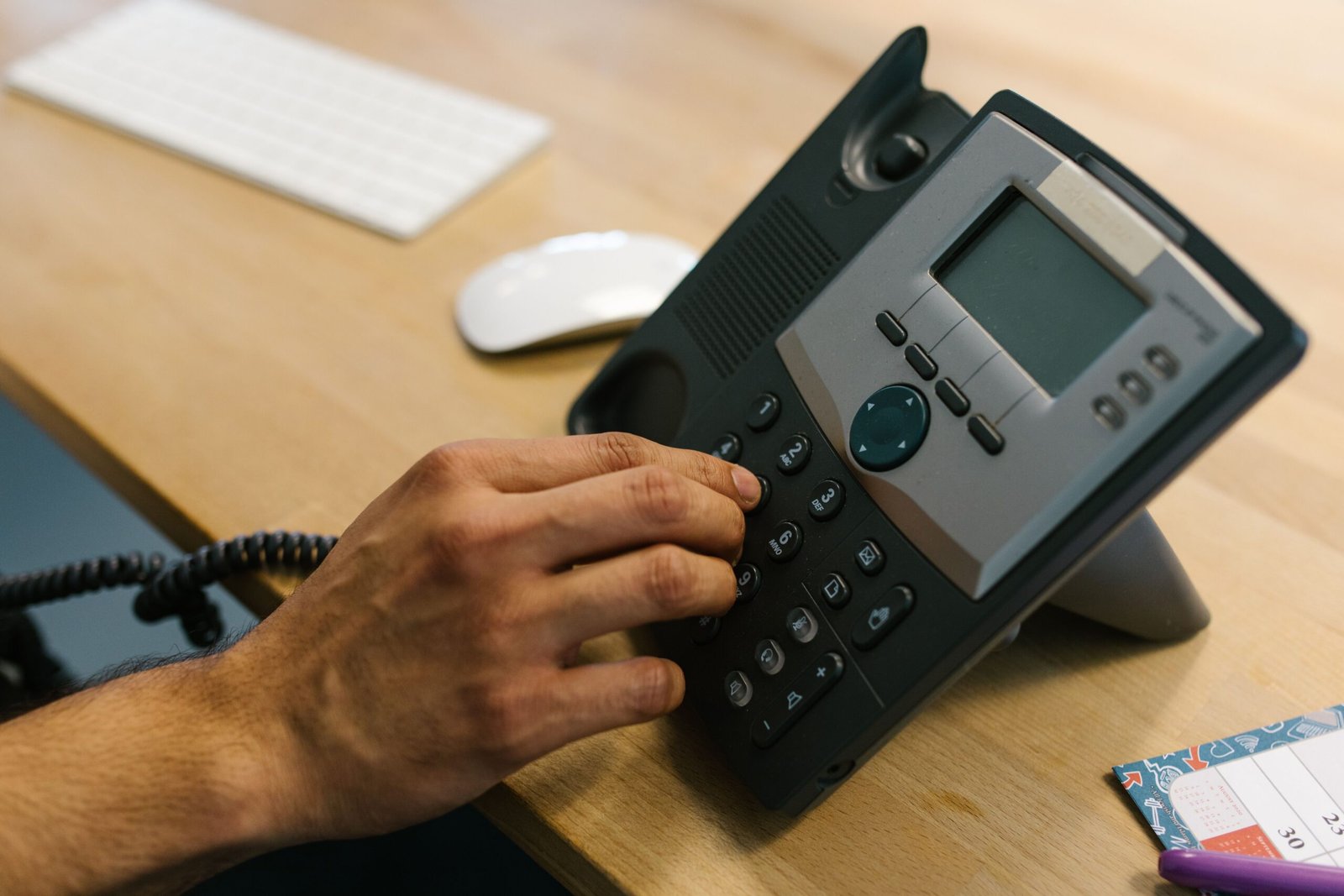
The 929 area code is one of the most recognized telephone area codes serving New York City. Whether you recently received a call from a 929 phone number, are planning to get a new number, or simply want to know where the area code is located, understanding how it works can help you identify legitimate calls, recognize potential scam attempts, and learn more about one of America’s busiest telecommunications regions.

Introduced to meet the growing demand for telephone numbers, the 929 area code serves millions of residents, businesses, and organizations throughout several boroughs of New York City. It operates alongside other well-known New York area codes, ensuring that the rapidly increasing population and mobile device usage have enough available phone numbers. In this complete guide, you’ll discover where the 929 area code is located, which cities and boroughs it covers, its time zone, history, dialing procedures, common questions, and useful tips for handling unknown calls.

What Is the 929 Area Code?

The 929 area code is a telephone area code assigned to New York City in the state of New York. It functions as an overlay area code, meaning it shares the same geographic region as several existing area codes instead of replacing them. This system allows multiple residents and businesses within the same location to receive unique phone numbers without changing existing ones.

Today, anyone applying for a new telephone number in the covered region may receive a 929 number regardless of whether they live in Brooklyn, Queens, Staten Island, the Bronx, or other covered areas. The area code is widely used by mobile phones, landlines, internet phone services, startups, corporations, and government organizations.

Where Is the 929 Area Code Located?

If you’ve ever wondered where the 929 area code is located, the answer is New York City, New York.

The 929 area code primarily serves these boroughs:

  • Brooklyn
  • Queens
  • The Bronx
  • Staten Island

It also overlaps with neighboring telephone numbering regions that serve parts of New York City. Because it is an overlay code, residents living on the same street may have different area codes while sharing identical local calling areas.

This arrangement has become common across major metropolitan regions where population growth and smartphone usage have dramatically increased the demand for new telephone numbers.

Cities and Areas Covered by the 929 Area Code

Although the 929 area code is generally associated with New York City, it covers many neighborhoods and communities throughout the city’s boroughs.

Major areas include:

  • Brooklyn
  • Queens
  • Bronx
  • Staten Island

Popular neighborhoods include:

  • Williamsburg
  • Astoria
  • Flushing
  • Jamaica
  • Park Slope
  • Bay Ridge
  • Riverdale
  • St. George

Businesses, hospitals, schools, delivery companies, financial institutions, and local government agencies throughout these areas may use 929 phone numbers.

History of the 929 Area Code

The 929 area code was officially introduced in 2011 by the North American Numbering Plan (NANP) to address the growing shortage of available telephone numbers in New York City.

Before its introduction, existing area codes were approaching exhaustion due to:

  • Population growth
  • Mobile phone expansion
  • Business development
  • Internet-based phone services
  • Multiple devices per household

Instead of requiring millions of residents to change their existing phone numbers, telecommunications regulators implemented the overlay system. This allowed new customers to receive 929 numbers while existing numbers remained unchanged.

Today, the 929 area code continues to support the communication needs of one of the world’s largest metropolitan areas.

Time Zone of the 929 Area Code

The 929 area code operates in the Eastern Time Zone (ET).

This includes:

  • Eastern Standard Time (EST)
  • Eastern Daylight Time (EDT)

Businesses using 929 numbers generally follow New York’s local business hours.

Why Was the 929 Area Code Created?

The explosive growth of mobile technology significantly increased the demand for telephone numbers.

Some major reasons include:

  • More smartphones
  • Business expansion
  • Virtual phone systems
  • Fax lines
  • Tablets
  • Smart devices
  • Internet calling services

Without introducing new area codes, the supply of available phone numbers would have been exhausted.

Overlay Area Codes Associated with 929

The 929 area code shares its service region with several other New York City area codes, including:

  • 718
  • 347
  • 917

Because these area codes overlap geographically, two neighbors may have completely different area codes while living in the same neighborhood.

Do 929 Phone Numbers Belong to Mobile Phones?

Not necessarily.

A 929 number may belong to:

  • Mobile phones
  • Landlines
  • Businesses
  • VoIP services
  • Government agencies
  • Educational institutions

Modern telephone numbering no longer indicates whether a number belongs to a mobile device.

Is the 929 Area Code Legitimate?

Yes.

The 929 area code is an officially recognized telephone area code within the North American Numbering Plan.

Receiving a call from a 929 number does not automatically indicate fraud. Many legitimate organizations use 929 phone numbers every day.

Are 929 Area Code Calls Scams?

Some scam callers may spoof 929 numbers, but that does not mean every 929 call is fraudulent.

Warning signs include:

  • Requests for payment
  • Threats of arrest
  • Prize-winning scams
  • IRS impersonation
  • Fake bank alerts
  • Requests for passwords
  • Requests for verification codes

If you’re unsure about a caller’s identity, avoid sharing personal information and contact the organization directly using its official number.

How to Identify a Legitimate 929 Call

You can improve your safety by following these tips:

  • Let unknown calls go to voicemail.
  • Search the phone number online.
  • Verify the caller independently.
  • Never share banking information.
  • Avoid clicking suspicious text message links.
  • Block repeat scam callers.

These precautions help protect you from telephone fraud regardless of the area code.

Benefits of Having a 929 Area Code

Many businesses choose a 929 number because it provides a recognizable New York City presence.

Advantages include:

  • Strong local identity
  • Business credibility
  • Availability of new numbers
  • Suitable for startups
  • Easy integration with VoIP systems
  • Supports remote businesses

How to Dial a 929 Number

Because New York uses overlay area codes, callers generally dial the full 10-digit number, including the area code, even for local calls.

Typical format:

929-XXX-XXXX

For international callers:

+1 929 XXX XXXX

Interesting Facts About the 929 Area Code

The 929 area code serves one of the most densely populated regions in the United States. Millions of calls, text messages, and business transactions occur daily using numbers assigned within this area code. It is commonly used by entrepreneurs, technology companies, healthcare providers, educational institutions, financial organizations, and residents across New York City. Because it is part of an overlay system, people living in the same building may have different area codes while remaining within the same local calling area.

Conclusion

The 929 area code plays an essential role in supporting New York City’s growing communication needs. Serving Brooklyn, Queens, the Bronx, and Staten Island, it operates as an overlay area code alongside several existing New York area codes, ensuring a continuous supply of telephone numbers for residents and businesses. Whether you’re receiving a call from a 929 number, planning to obtain one for your business, or simply researching its location, understanding its coverage, history, time zone, and dialing requirements can help you use it with confidence. While most 929 numbers are completely legitimate, it’s always wise to remain cautious when dealing with unknown callers and verify unexpected requests before sharing any personal information.

Frequently Asked Questions (FAQ)

Is the 929 area code in New York?

Yes. The 929 area code serves New York City, including Brooklyn, Queens, the Bronx, and Staten Island.

When was the 929 area code created?

The 929 area code was introduced in 2011 to provide additional phone numbers for New York City.

What time zone does the 929 area code use?

The 929 area code follows the Eastern Time Zone (ET), observing both EST and EDT.

Can businesses use 929 phone numbers?

Yes. Many businesses, startups, healthcare providers, and organizations use 929 numbers for local communication.

Are all 929 calls scams?

No. Most 929 numbers are legitimate. However, scammers can spoof any area code, including 929, so always verify unexpected callers before sharing personal or financial information.

Do I need to dial the area code when calling a 929 number?

Yes. Since 929 is part of an overlay numbering plan, 10-digit dialing (area code plus local number) is generally required, even for local calls.

Which boroughs are covered by the 929 area code?

The 929 area code serves Brooklyn, Queens, the Bronx, and Staten Island within New York City.

Is a 929 number good for a business?

Yes. A 929 number gives businesses a recognizable New York City presence, which can help build local credibility and appeal to customers in the region.

Continue Reading

Blog

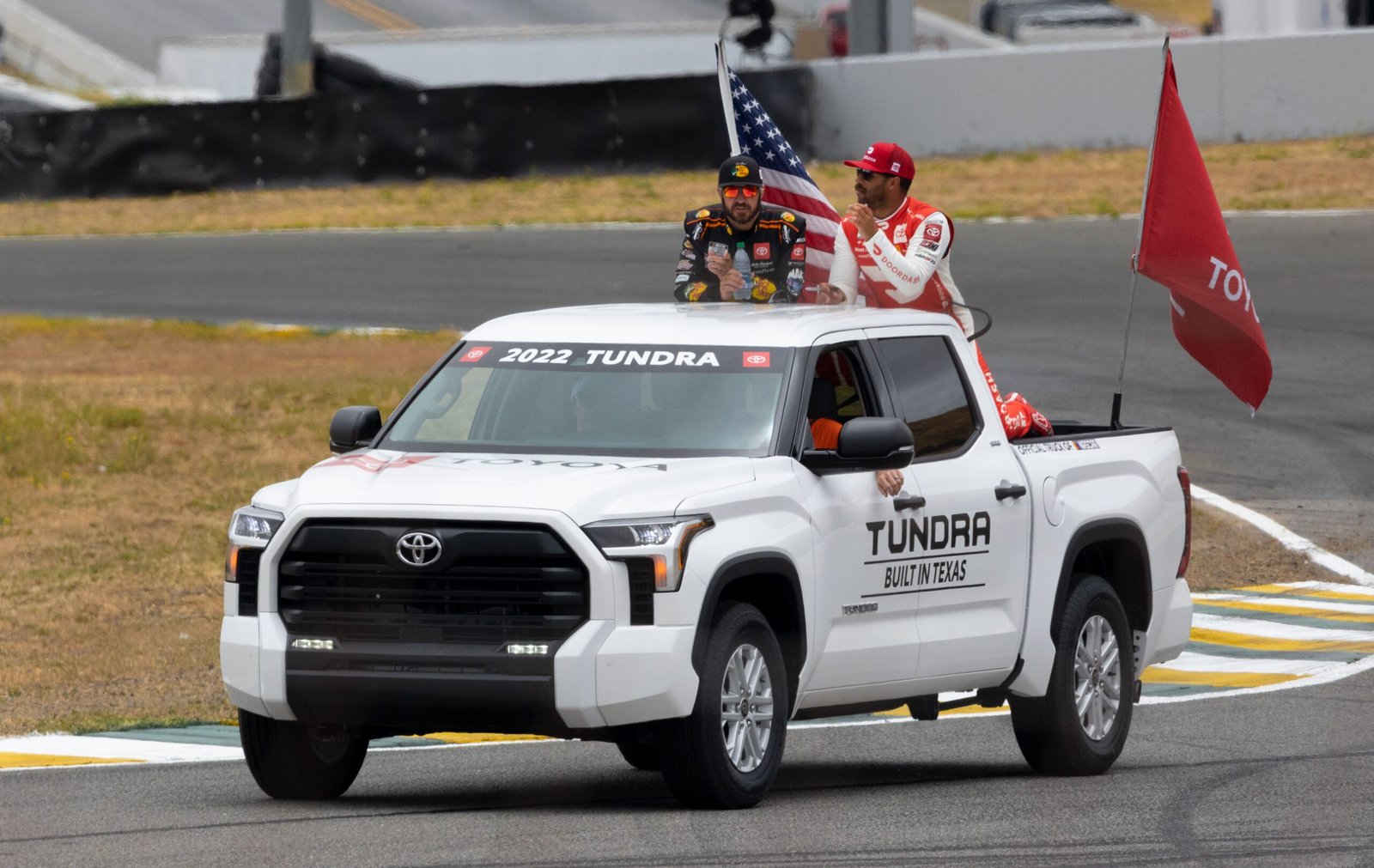
Changing Oil on Toyota Tundra: Complete Step-by-Step DIY Guide

Published

on

Changing oil on a Toyota Tundra

Changing oil on a Toyota Tundra is one of the most important routine maintenance jobs you can perform to help keep the truck’s engine properly lubricated and operating reliably. Whether you own an older Tundra or a newer generation, regular engine-oil maintenance helps remove contaminants, protect internal components, and maintain proper lubrication under different driving conditions. A Tundra is often used for towing, hauling, commuting, off-road driving, or a combination of these activities, so keeping up with oil service is especially important. The exact oil type, oil capacity, filter specification, and recommended service interval depend on the model year and engine, which means you should always verify those details in the owner’s manual or Toyota maintenance information before beginning the job.

For many owners, a Toyota Tundra oil change can be completed at home with basic tools, a suitable drain pan, a replacement oil filter, the correct engine oil, and enough time to work carefully. The process itself is straightforward, but doing it correctly matters. You need to safely raise and support the truck if necessary, allow the old oil to drain completely, replace the filter and drain-plug sealing component when required, refill the engine with the correct amount and specification of oil, and check carefully for leaks. This guide explains the general process of changing oil on a Toyota Tundra while highlighting the areas where specifications can differ between Tundra engines and model years.

Why Regular Oil Changes Matter for a Toyota Tundra

Engine oil performs several important jobs inside a Toyota Tundra engine. Its primary purpose is to provide lubrication between moving components, reducing friction and helping limit wear. Engine oil also helps carry heat away from certain internal components, keeps contaminants suspended so they can be removed by the oil filter, and contributes to keeping internal engine parts clean. As oil ages, its properties can gradually change, and contaminants can accumulate. That is why simply checking the oil level is not a substitute for performing regular oil changes.

The importance of maintenance can be even greater when a Tundra is subjected to demanding use. Frequent towing, heavy loads, dusty environments, repeated short trips, extensive idling, and severe operating conditions can place additional demands on the engine and its lubrication system. Drivers who regularly use their Tundra for these purposes should pay close attention to Toyota’s maintenance recommendations for their specific vehicle. Rather than relying on a generic mileage number found online, use the service schedule applicable to your model year, engine, driving conditions, and market.

What You Need Before Changing Oil on a Toyota Tundra

Before starting a Toyota Tundra oil change, gather everything you need so you do not have to stop halfway through the job. You will generally need the correct engine oil, a compatible replacement oil filter, a drain pan with sufficient capacity, a wrench or socket that fits the drain plug, a filter-removal tool if necessary, a funnel, gloves, shop towels or rags, and a suitable container for transporting the used oil to a recycling facility. If the truck needs to be raised to access the drain plug, use equipment rated for the vehicle’s weight and support the truck with properly positioned jack stands. Never rely solely on a hydraulic jack while working underneath a vehicle.

The most important preparation step is confirming the specifications for your particular Tundra. Different generations and engines can require different oil viscosities, oil capacities, filters, and procedures. Check the owner’s manual before purchasing supplies, particularly if you are unsure whether your truck requires a particular SAE viscosity or an oil meeting a specific performance standard. You should also confirm the correct filter and drain-plug sealing washer or gasket where applicable. Preparing the correct parts before beginning makes the job safer and reduces the possibility of accidentally installing an incompatible component.

How to Change Oil on a Toyota Tundra

1. Park the Tundra on a Safe, Level Surface

Begin by parking the Tundra on a level and stable surface. Engage the parking brake and make sure the truck is secure before working around or underneath it. If you need additional clearance, use appropriate ramps or a properly rated jack and jack stands according to safe lifting procedures. Never crawl underneath a vehicle that is supported only by a jack.

Starting with a warm engine can help the oil flow more easily because warm oil generally drains more readily than cold oil. However, the engine and exhaust components can become extremely hot, so avoid working immediately after a long drive. Allow the vehicle to cool enough that you can safely work around the engine and oil-drain area without risking burns.

2. Locate the Oil Drain Plug

Once the truck is safely positioned, identify the engine oil drain plug underneath the vehicle. Depending on the generation and engine configuration, access to the drain plug and oil filter can differ. Place the drain pan underneath the drain area before loosening the plug because the initial flow of oil can move outward quickly.

Using the correct-size wrench or socket, carefully loosen the drain plug. Keep pressure on the tool as you loosen it so you do not accidentally round the fastener. Once the plug is loose enough to remove by hand, position your hand to control it while keeping the drain pan underneath. Be prepared for the oil to begin flowing as soon as the plug comes out.

3. Let the Old Engine Oil Drain

Allow the old oil to drain into the pan. Give it sufficient time to drain rather than immediately reinstalling the drain plug after the first few seconds. Tilting or moving the truck is generally unnecessary and should not be attempted if it compromises the vehicle’s stability.

While the oil is draining, inspect the drain plug and its sealing washer or gasket. Look for damaged threads, unusual metal debris, or a worn sealing component. A damaged drain plug or sealing washer can contribute to leaks after the oil change. If Toyota specifies replacing the sealing washer for your particular application, install a new one rather than reusing a questionable old component.

4. Replace the Toyota Tundra Oil Filter

Replacing the Toyota Tundra oil filter at the same time as the engine oil is an important part of a complete oil service. The filter removes particles and contaminants from the circulating oil, so installing a fresh filter allows the new oil to remain cleaner during the next service interval.

Remove the old filter carefully and keep the drain pan positioned underneath because oil may continue to flow from the filter housing or filter location. Before installing the new filter, compare it with the old component to make sure the size and configuration appear correct. Follow the filter manufacturer’s installation instructions and Toyota’s recommendations for tightening. If the filter uses a rubber sealing gasket, lightly lubricating the gasket with clean engine oil before installation is commonly recommended, but always follow the instructions for the specific filter.

5. Reinstall the Drain Plug Correctly

After the old oil has drained and the filter has been replaced, clean the drain-plug area and reinstall the plug with the appropriate sealing component. Tighten it according to the torque specification for your exact Tundra application. Correct torque is important because overtightening can damage threads or components, while insufficient tightening can allow oil to leak.

Avoid guessing the torque specification when a manufacturer specification is available. The correct value can vary depending on the engine and model year. A torque wrench is therefore a valuable tool for anyone who performs their own maintenance regularly.

6. Add the Correct Toyota Tundra Oil

Now add the appropriate new engine oil through the oil-filler opening on top of the engine. The exact Toyota Tundra oil type and quantity depend on the engine and model year, so verify the required specification before pouring oil into the engine. Do not automatically use the capacity listed for another Tundra simply because the trucks look similar or belong to the same generation.

Add most of the required oil first rather than immediately pouring in the entire stated capacity. After allowing the oil to settle, check the dipstick according to the procedure in your owner’s manual and gradually add more oil as needed. This approach reduces the risk of accidentally overfilling the engine.

How to Check the Oil Level After an Oil Change

Checking the oil level is one of the most important final steps when changing oil on Toyota Tundra. After adding the initial amount of oil, make sure the vehicle is on a level surface and follow the manufacturer’s instructions for checking the oil level. Depending on the particular Tundra, the checking procedure may involve allowing the engine to sit for a specified period after shutting it off.

Remove the dipstick, wipe it clean, reinstall it fully, and then remove it again to inspect the level if your vehicle is equipped with a conventional dipstick. The oil should fall within the indicated operating range. Add small amounts if necessary rather than adding a large quantity at once. Overfilling an engine can also cause problems, so the goal is to reach the appropriate level rather than simply adding as much oil as possible.

Check for Oil Leaks

Once the oil level is correct, start the engine and let it run briefly while observing the oil-pressure warning indicators and listening for anything unusual. Then shut the engine off and inspect the drain-plug and oil-filter areas for signs of leakage. If you see fresh oil dripping, turn the engine off and determine the source before driving the vehicle.

After the inspection, allow the oil to settle and recheck the level according to the instructions for your Tundra. This final check is useful because some oil will have circulated through the filter and lubrication system after the engine has run. Keep monitoring the area underneath the truck during the first drive and afterward for any evidence of leakage.

How Often Should You Change Toyota Tundra Oil?

The Toyota Tundra oil change interval is not necessarily identical for every model. Recommended intervals can depend on the model year, engine, oil specification, driving conditions, and maintenance schedule. Modern vehicles may have different recommendations from older Tundras, and severe operating conditions can affect maintenance requirements.

Rather than using a universal interval from a generic website, consult the owner’s manual and official maintenance schedule for your exact truck. Keeping records of each service can also make maintenance easier. Write down the date, mileage, oil specification, filter used, and any other relevant work performed. A simple maintenance record can help you determine when the next service is due and can be useful if you eventually sell the truck.

Common Mistakes to Avoid During a Tundra Oil Change

One of the most common mistakes when performing a Toyota Tundra DIY oil change is using the wrong oil specification or assuming that every Tundra takes the same oil. Engine technology changes between generations, so the correct oil for one truck may not be the correct choice for another. Another mistake is failing to replace the oil filter, reusing a damaged sealing washer, or tightening the drain plug incorrectly. These seemingly small details can lead to leaks or other maintenance problems.

Another frequent mistake is relying on the oil bottle’s stated quantity without checking the dipstick or manufacturer’s procedure. Oil capacity figures should be treated as a specification to verify rather than an instruction to pour the entire amount into the engine without checking. It is also important to dispose of used oil responsibly. Used motor oil should never be poured onto the ground, into a drain, or into household garbage. Take it to an appropriate oil-recycling or collection facility where available.

Tips for Making Your Tundra Oil Change Easier

A little preparation can make an oil change much cleaner and faster. Lay out the new filter, oil, tools, drain pan, gloves, towels, and replacement sealing components before beginning. Keep the new oil containers somewhere clean and stable, and make sure the drain pan is positioned correctly before removing the drain plug. A funnel can significantly reduce spills around the oil-filler opening.

It is also helpful to inspect other visible components while you are underneath the truck. You can look for obvious fluid leaks, damaged components, worn belts where visible, tire-related issues, or anything else that appears unusual. However, an oil change should not become an excuse to perform unfamiliar repairs underneath a vehicle without proper knowledge and safety equipment. If you discover a serious leak, damaged fastener, or other mechanical problem, consider having the truck inspected by a qualified technician.

When You Should Have a Professional Change the Oil

Although changing oil on a Toyota Tundra is manageable for many experienced DIY owners, professional service can be the better option if you lack a safe place to raise the truck, do not have the necessary tools, or are uncomfortable working underneath a large pickup. A professional technician can also identify other maintenance issues while performing the oil service.

Professional service may be particularly useful if the drain plug is damaged, the oil filter is stuck, there is an existing leak, or you discover damaged components underneath the vehicle. Saving money on an oil change is not worth taking unnecessary safety risks. The most important part of DIY maintenance is knowing when a job is within your abilities and when professional equipment or expertise is appropriate.

Conclusion

Changing oil on Toyota Tundra is an important maintenance task that can be performed at home when you have the correct supplies, appropriate tools, and a safe working environment. The basic process involves warming the engine appropriately, safely accessing the underside of the truck, draining the old oil, replacing the oil filter, reinstalling the drain plug with the proper sealing component and torque, adding the manufacturer-specified oil, checking the level, and inspecting carefully for leaks. Completing each step carefully is more important than trying to finish the job as quickly as possible.

The most important thing to remember is that Toyota Tundra specifications vary by model year and engine. Always verify the correct oil type, capacity, filter, drain-plug requirements, torque specifications, and maintenance interval for your particular vehicle before beginning. With proper preparation and attention to detail, a routine Tundra oil change can become a straightforward part of your regular truck-maintenance routine while helping you keep better track of the vehicle’s overall condition.

Frequently Asked Questions

How often should I change the oil in my Toyota Tundra?

The appropriate oil-change interval depends on the Tundra’s model year, engine, oil specification, and driving conditions. Check the maintenance schedule and owner’s manual for your specific vehicle rather than relying on a universal interval.

What oil does a Toyota Tundra take?

The required oil viscosity and specification depend on the specific Tundra engine and model year. Check the owner’s manual or applicable Toyota maintenance information before purchasing oil.

Do I need to change the oil filter every time?

Replacing the oil filter during a regular oil change is generally recommended because the filter collects contaminants from the engine oil. Use a filter that is specifically compatible with your Tundra.

Can I change Toyota Tundra oil myself?

Yes, many owners can perform a Tundra oil change themselves if they have the appropriate tools, knowledge, and a safe working area. The vehicle must be securely supported whenever you need to work underneath it.

How do I know if I put too much oil in my Tundra?

Check the oil level using the manufacturer’s recommended procedure and the dipstick, where equipped. If the level is above the specified range, do not simply continue driving and hope it corrects itself; address the overfill appropriately.

Should I change the oil before or after a long towing trip?

Following the manufacturer’s maintenance schedule is the starting point. If your Tundra is regularly used for towing or other severe operating conditions, check the applicable maintenance guidance because demanding use can affect service requirements.

What should I do with the old Toyota Tundra oil?

Collect used oil in a clean, suitable container and take it to an appropriate used-oil recycling or collection location. Never pour used motor oil onto the ground or into household drains.

Continue Reading

Blog

44 800 009 3806: Who Called Me and What You Should Know

Published

on

44 800 009 3806

Receiving an unexpected phone call can immediately raise questions, particularly when the number is unfamiliar and you do not recognize the person, company, or organization attempting to contact you. One such number that people may search for after seeing it on their phone is 44 800 009 3806. When an unfamiliar number appears, the natural reaction is to search for the number online, check whether other people have reported it, and determine whether there is a legitimate reason for the call. However, it is important to approach an unknown number carefully because the appearance of a number alone does not always reveal who is behind a call or why the caller contacted you.

The number 44 800 009 3806 can therefore be used as a starting point for a broader investigation rather than as proof of a particular company’s identity. People searching for this number may want to know whether it is a genuine business contact, a customer-service number, a marketing call, a survey, an automated call, or potentially an unwanted or suspicious communication. The most sensible approach is to avoid making assumptions and instead look at the circumstances surrounding the call, including whether a voicemail was left, whether the caller provided identifying information, whether the call was expected, and whether the caller asked for sensitive information. This guide explains what you should consider when researching 44 800 009 3806 and how to respond safely if the number contacts you.

What Is 44 800 009 3806?

The first thing to understand when researching 44 800 009 3806 is that the number itself does not automatically establish the identity of the caller. The +44 country code is associated with the United Kingdom, while numbers beginning with 0800 are commonly associated with UK freephone services. Because the number is presented in the international format 44 800 009 3806, someone receiving the call may see it differently depending on their phone, network provider, location, or caller-ID system. A number’s format can provide useful information, but it should not be treated as confirmation that a particular company or organization is calling.

When searching for 44 800 009 3806, it is also important to distinguish between information that can be verified and information that is simply repeated online. Phone-number websites, discussion boards, social media posts, and search results can sometimes contain reports from people who received calls from the same number, but those reports may not always establish who actually made the call. Caller ID can also be manipulated or spoofed, meaning that the number displayed on a phone may not necessarily represent the true originating number. For that reason, a responsible phone-number lookup should focus on evidence and verification rather than immediately labeling an unfamiliar caller as legitimate or fraudulent.

Why People Search for 44 800 009 3806

There are several reasons someone might search for 44 800 009 3806 after receiving a call. The most common reason is simply that the number is unfamiliar. When a person sees a missed call without a voicemail, they may want to know whether they should return it or ignore it. Other people may have answered the call but received an automated message, experienced silence, or heard a caller introduce themselves as representing a business. In these situations, searching the number can help the recipient decide what to do next while avoiding unnecessary risks.

Another reason people search for 44 800 009 3806 is because they may have received a call connected with an account, delivery, financial service, subscription, appointment, insurance matter, or another service they already use. An unfamiliar number can become particularly confusing when the caller claims to represent an organization that the recipient recognizes. Rather than relying solely on the caller’s statement, it is better to independently locate the organization’s official contact information and make contact through a trusted channel. This simple step can help distinguish a genuine communication from an attempt to obtain personal information.

Is 44 800 009 3806 a Legitimate Number?

It is not possible to determine legitimacy simply from the number 44 800 009 3806 itself. A phone number can look professional, use a UK-format number, or appear to belong to a freephone range while still requiring independent verification. Conversely, an unfamiliar number should not automatically be considered fraudulent merely because the recipient does not recognize it. Legitimate organizations sometimes call customers from numbers that are not already saved in their contacts, particularly when calls are made through outsourced contact centers, automated systems, or different departments.

The best way to evaluate an unexpected call is to consider what the caller says and what they ask you to do. A legitimate organization should generally be able to identify itself clearly and provide a reasonable explanation for contacting you. If the caller asks you to provide passwords, complete security codes, disclose banking credentials, transfer money urgently, install unfamiliar software, or follow a suspicious link, you should stop the conversation and verify the request independently. Never assume that a caller is genuine simply because they know some basic information about you.

What Should You Do If 44 800 009 3806 Calls You?

If 44 800 009 3806 appears on your phone, you do not have to answer immediately. If you are unsure about the number, allowing the call to go to voicemail can be a useful first step. A legitimate caller who genuinely needs to reach you may leave a message explaining the purpose of the call and providing appropriate contact information. You can then assess the message without having to make an immediate decision while speaking to an unfamiliar person.

If you answer the call, avoid providing sensitive information until you have confirmed the caller’s identity. You can ask the caller for their name, department, organization, and reason for calling, but remember that information supplied during the call should still be independently verified. If the caller claims to represent a bank, retailer, government organization, telecommunications company, delivery service, or another business, find the organization’s official website or use documentation you already possess and contact the organization through an independently obtained number. This is much safer than relying on a telephone number supplied by the unexpected caller.

Should You Call 44 800 009 3806 Back?

Whether you should call 44 800 009 3806 back depends on the circumstances. If you have no idea why someone would be calling you and there is no voicemail or other explanation, there is usually no need to rush into returning the call. An unanswered call does not automatically mean that immediate action is required. Take time to determine whether the number is associated with a service you use or an organization you were expecting to hear from.

If the caller left a message claiming to represent a company, verify the claim independently before returning the call. Instead of using a callback number provided in an unexpected message, locate the company’s official contact details yourself. This approach is especially important if the caller mentions financial matters, account security, payments, refunds, passwords, verification codes, or urgent deadlines. Taking a few extra minutes to verify the communication can prevent an avoidable mistake.

How to Check an Unknown Phone Number Safely

Searching 44 800 009 3806 online can be useful, but search results should be interpreted carefully. Look for multiple independent reports rather than relying on a single comment or website. Pay attention to whether people describe similar experiences, such as repeated automated calls, marketing messages, silent calls, or claims from a particular organization. However, even several online reports do not necessarily prove the identity of the caller because telephone numbers can be reassigned, shared between services, or spoofed.

You should also consider the timing of the call. If you recently contacted a company, placed an order, requested support, scheduled an appointment, or submitted an application, an unfamiliar number could potentially be connected to that activity. On the other hand, if the caller contacted you unexpectedly and immediately requested sensitive information or pressured you to act, greater caution is appropriate. Context is one of the most useful tools for evaluating an unknown number because it allows you to compare the call against events you can independently verify.

Warning Signs to Watch For

When dealing with 44 800 009 3806 or any other unfamiliar phone number, certain behaviors deserve additional caution. Urgency is one of the most important warning signs. Be careful if a caller insists that you must make a payment immediately, provide a verification code within minutes, transfer money to protect an account, or keep the conversation secret. Pressure is often used to prevent people from taking the time to independently check the caller’s identity.

Another warning sign is a request for information that the caller should not reasonably need. Never casually provide passwords, complete authentication codes, card security information, or other highly sensitive credentials to an unexpected caller. If you are uncertain, end the call and contact the organization through a trusted official channel. A genuine organization can generally explain how you can verify the request without requiring you to blindly trust an incoming call.

What If You Already Answered the Call?

If you already answered a call from 44 800 009 3806, there is no reason to panic simply because you answered. The important question is what happened during the conversation. If the caller only introduced themselves and you did not provide sensitive information, you can simply monitor the situation and independently verify any claims they made. Receiving or answering a call does not by itself mean that your personal information or accounts have been compromised.

If you provided sensitive information, however, take appropriate protective steps as soon as possible. The exact response depends on what information was disclosed. For financial information, contact the relevant financial institution using an official number. If an account password was disclosed, change it through the official website or application and make sure that important accounts use strong, unique passwords. If you provided a security code or other authentication information, contact the relevant service promptly and explain what happened.

How to Handle Repeated Calls From 44 800 009 3806

Repeated calls can become frustrating, particularly when the caller does not leave a meaningful voicemail or continues contacting you without explaining the purpose of the communication. If 44 800 009 3806 repeatedly calls and you do not recognize the number, you can consider blocking the number through your phone’s built-in call-management features. Many modern smartphones also provide options for identifying, filtering, or silencing certain unwanted calls.

Keeping a record of repeated unwanted calls can also be useful if the situation becomes more serious. Note the dates, approximate times, and nature of the calls, especially if the caller makes unusual claims or requests. If you believe the calls are fraudulent, threatening, or otherwise abusive, consider reporting them through the appropriate telecommunications, consumer-protection, or law-enforcement channel in your jurisdiction. Do not engage in prolonged arguments with suspicious callers, as there is usually little benefit in doing so.

Protecting Yourself From Unknown Callers

The safest approach to unfamiliar phone numbers is to develop a consistent verification habit. Do not allow the apparent identity of a caller to replace independent confirmation. If someone claims to be calling from a company you know, use the company’s official website, existing paperwork, or another trusted source to find contact information. Contacting the organization yourself provides a much stronger basis for determining whether the original call was genuine.

It is also useful to keep your personal information private and avoid sharing unnecessary details during unexpected calls. Even information that appears harmless can sometimes be combined with other information to create a more convincing social-engineering attempt. Treat unexpected requests for financial details, passwords, authentication codes, remote computer access, or urgent payments with particular caution. A calm and deliberate response is usually safer than acting quickly because a caller tells you that something is urgent.

Frequently Asked Questions About 44 800 009 3806

Who called me from 44 800 009 3806?

The number 44 800 009 3806 alone does not provide enough verified information to establish the identity of the caller. If you received a call from this number, consider whether you were expecting contact from a company or organization and check any voicemail or message left by the caller. If the caller claimed to represent a particular organization, independently verify that claim using official contact information.

Is 44 800 009 3806 a scam number?

The number itself should not automatically be labeled a scam without reliable evidence. An unfamiliar number can belong to a legitimate organization, a marketing service, an automated calling system, or an unwanted caller, and caller ID can also be manipulated. The safest approach is to evaluate the caller’s behavior and independently verify any claims before providing information or making payments.

Should I answer 44 800 009 3806?

You can choose not to answer an unfamiliar number. If you do answer, avoid sharing sensitive personal, financial, or security information until you have established who is calling and why. If the call is legitimate, the caller may leave a voicemail or provide information that you can independently verify.

Should I call 44 800 009 3806 back?

You do not necessarily need to call an unfamiliar number back immediately. If a caller claims to represent a company or organization, independently find that organization’s official contact details and use those details for verification. This is safer than relying entirely on information provided during an unexpected call.

What should I do if 44 800 009 3806 keeps calling?

If the calls are unwanted, you can block the number using your phone’s call-blocking features and keep a record of repeated contacts. If the calls involve threats, fraud attempts, or persistent harassment, consider reporting them to the appropriate authority or telecommunications provider.

Can caller ID be trusted completely?

No. Caller ID can be useful, but it should not be considered absolute proof of a caller’s identity. Because displayed numbers can sometimes be spoofed or otherwise manipulated, important requests should be verified through an independent and trusted communication channel.

Conclusion

Searching for 44 800 009 3806 after receiving an unexpected call is a sensible first step, but the number itself should not be treated as definitive evidence of who contacted you. The most reliable approach is to examine the context of the call, listen to any voicemail, look for independently verifiable information, and avoid sharing sensitive details until the caller’s identity has been confirmed. A number may appear familiar or official while still requiring verification, so caution is particularly important when the caller requests money, passwords, security codes, or immediate action.

Ultimately, the best response to an unfamiliar call is neither automatic trust nor unnecessary panic. Take your time, verify the caller independently, and use official contact channels whenever possible. Whether 44 800 009 3806 turns out to be a legitimate contact, an unwanted marketing call, an automated service, or something more concerning, following basic phone-safety practices gives you the best chance of protecting your information and making an informed decision.

Continue Reading

Blog

LEGO Fallout: Everything You Need to Know About Fan Builds, Sets, and Future Possibilities (2026)

Published

on

lego fallout

The Fallout franchise has become one of the most recognizable post-apocalyptic gaming series in the world. With its unique retro-futuristic style, unforgettable Vault Boy mascot, iconic Power Armor, mysterious Vaults, and expansive wasteland adventures, Fallout has inspired millions of players for decades. At the same time, LEGO remains one of the most beloved construction toy brands, encouraging creativity, engineering, and imaginative storytelling for builders of all ages. Because both franchises have passionate fan communities, many people regularly search for LEGO Fallout hoping to find official building sets, custom creations, or exciting news about future collaborations.

Although there are currently no officially licensed LEGO Fallout sets, the community has filled that gap with incredible fan-made models, detailed MOCs (My Own Creations), custom minifigures, and impressive recreations of famous Fallout locations. From Vault 111 entrances to detailed Power Armor stations, talented builders continue to demonstrate just how well Fallout’s distinctive aesthetic can translate into LEGO form. Interest has grown even further following renewed attention to the Fallout universe through new games, expansions, and television adaptations, leading many collectors to wonder whether an official LEGO partnership could eventually become reality. This guide explores everything you need to know about LEGO Fallout, including fan creations, custom models, possible future sets, collecting ideas, and why the combination continues to attract gamers and LEGO enthusiasts alike.

What Is LEGO Fallout?

The term LEGO Fallout generally refers to fan-created LEGO models inspired by Bethesda’s Fallout universe rather than official products. These creations are typically designed by experienced builders who recreate recognizable locations, characters, weapons, robots, and vehicles using standard LEGO bricks or custom pieces. Because Fallout features highly detailed environments filled with destroyed buildings, futuristic technology, and vintage-inspired architecture, it provides an ideal source of inspiration for creative LEGO designers.

The popularity of these fan-made projects has steadily increased over the years thanks to online communities that share building instructions, photographs, and design techniques. Some creators spend months perfecting large-scale Vault interiors complete with laboratories, living quarters, elevators, and security checkpoints, while others focus on miniature dioramas depicting famous moments from the games. Many builders also design custom minifigures representing the Lone Wanderer, Sole Survivor, Brotherhood of Steel soldiers, NCR Rangers, Super Mutants, Ghouls, and the instantly recognizable Vault Boy mascot. These impressive creations showcase both advanced LEGO building techniques and a deep appreciation for Fallout’s world-building, making LEGO Fallout one of the most exciting fan-driven crossover concepts in the gaming and construction communities.

Why LEGO and Fallout Are a Perfect Match

Despite belonging to different entertainment industries, LEGO and Fallout complement each other surprisingly well because both emphasize exploration, creativity, and imaginative storytelling. Fallout encourages players to venture through ruined cities, abandoned factories, underground Vaults, military bunkers, and radioactive wastelands while uncovering hidden stories through environmental details. LEGO builders naturally enjoy recreating complex environments brick by brick, making Fallout’s diverse locations ideal subjects for custom models.

Another reason the combination works so effectively is Fallout’s instantly recognizable visual identity. The rounded Vault doors, Pip-Boy devices, Nuka-Cola advertisements, rusted vehicles, Liberty Prime robot, Power Armor suits, and retro-futuristic architecture all translate beautifully into LEGO form. Builders can experiment with unique color combinations, weathering effects, mechanical details, and modular construction techniques to capture the atmosphere of the Fallout universe while still maintaining the playful charm associated with LEGO. This balance between creativity and authenticity explains why

LEGO Fallout remains one of the most requested gaming collaborations among fans worldwide.

Continue Reading

Trending